
Every wedding is different, but most receptions follow a familiar rhythm. From the moment guests arrive to the final send off, there is a natural order that keeps the night moving, gives each moment its place and lets everyone relax into the celebration.
Understanding the typical order of events is one of the most useful things you can do early in the planning process. It helps you build a realistic timeline, brief your suppliers and shape a reception that feels effortless on the day.
What Is A Wedding Reception Order Of Events
The order of events, sometimes called the running order or the reception timeline, is the sequence the night follows once guests move from the ceremony to the reception. It sets out when guests arrive, when dinner is served, when speeches happen and when the dancing begins.
It is worth separating from the order of service, which usually refers to the ceremony program. The order of events is the reception equivalent, and it is the framework your venue coordinator and master of ceremonies use to keep everything running to time. Most venues will help you shape it into a detailed run sheet before the day.
The Typical Order Of Events At A Wedding Reception
A traditional wedding reception order tends to follow the same broad stages, whether the celebration is a formal seated dinner or a more relaxed affair. Here is how the night usually unfolds.
Guest Arrivals And Canapés
As the couple finishes photos, guests arrive at the reception and are welcomed with canapés and drinks. This cocktail hour gives everyone time to settle in, find the seating chart and mingle before the formalities begin. It typically runs for around an hour.
The Grand Entrance
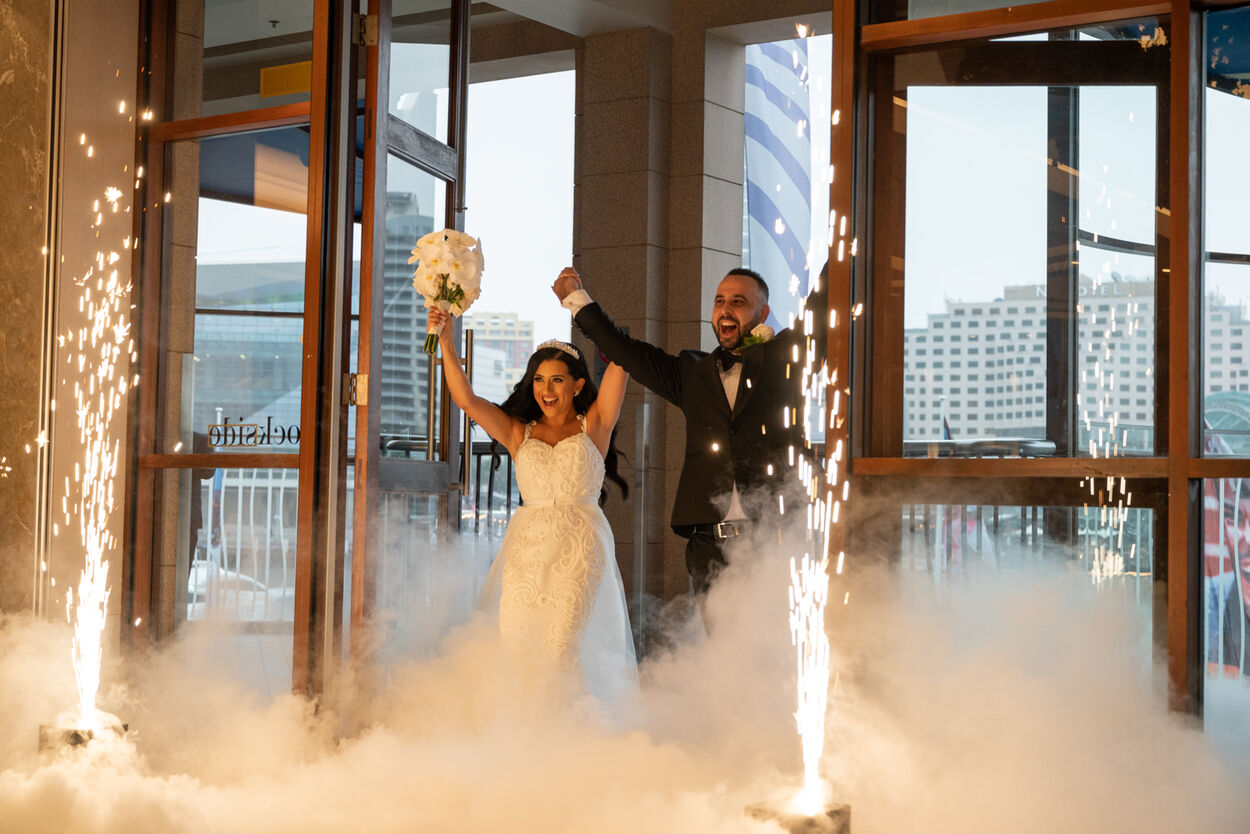
Once guests are seated, the master of ceremonies announces the bridal party entrance, followed by the couple, who are usually the last to be seated to a round of applause. This is also the moment many Australian couples include an acknowledgement of country before the celebration gets underway.
Dinner And Speeches
Dinner is the longest part of the night. For a seated dinner this is usually a three course meal, with entrée service followed by the main course, though some couples opt for a buffet service or shared style menu instead.
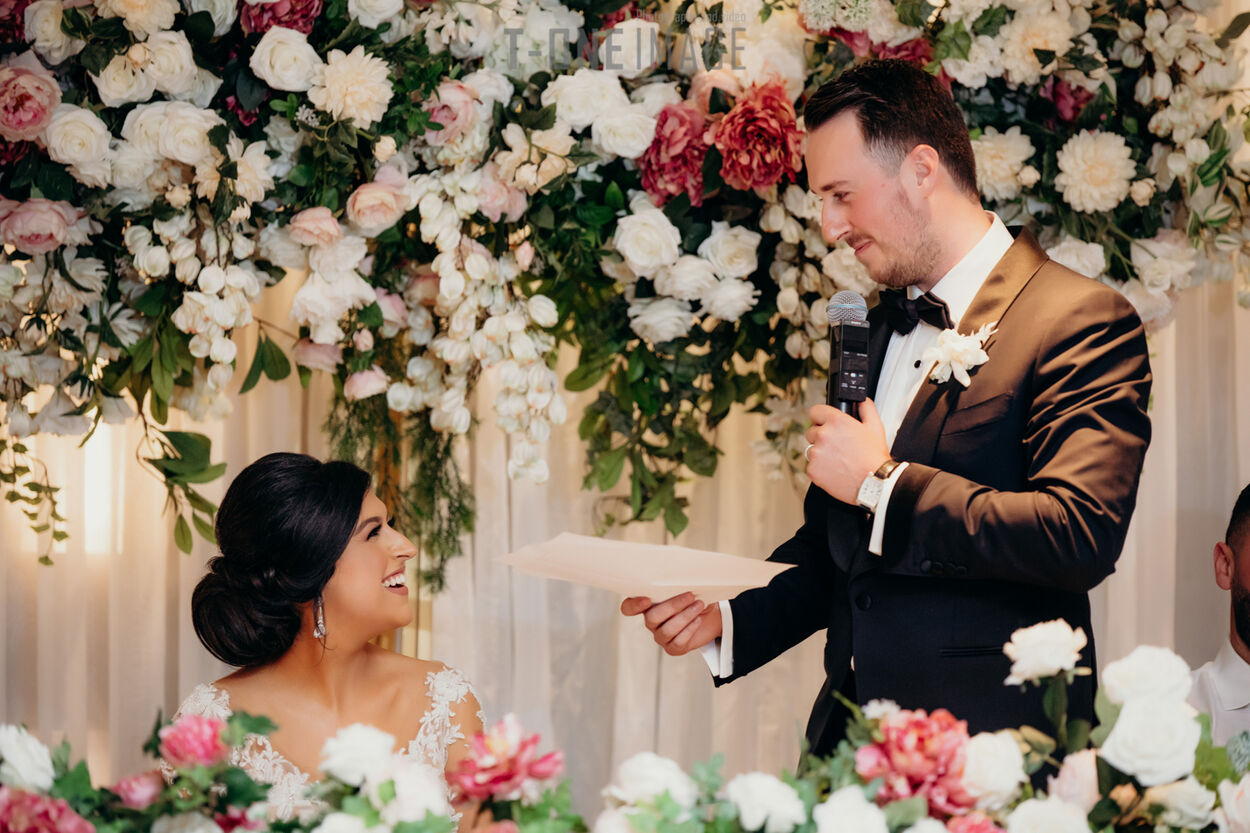
Speeches are traditionally spread between courses rather than delivered all at once, which keeps the energy up and gives guests time to enjoy their meal. A welcome speech often opens proceedings, followed at intervals by the father of the bride speech, the best man speech and the maid of honour speech.
Cake Cutting And First Dance
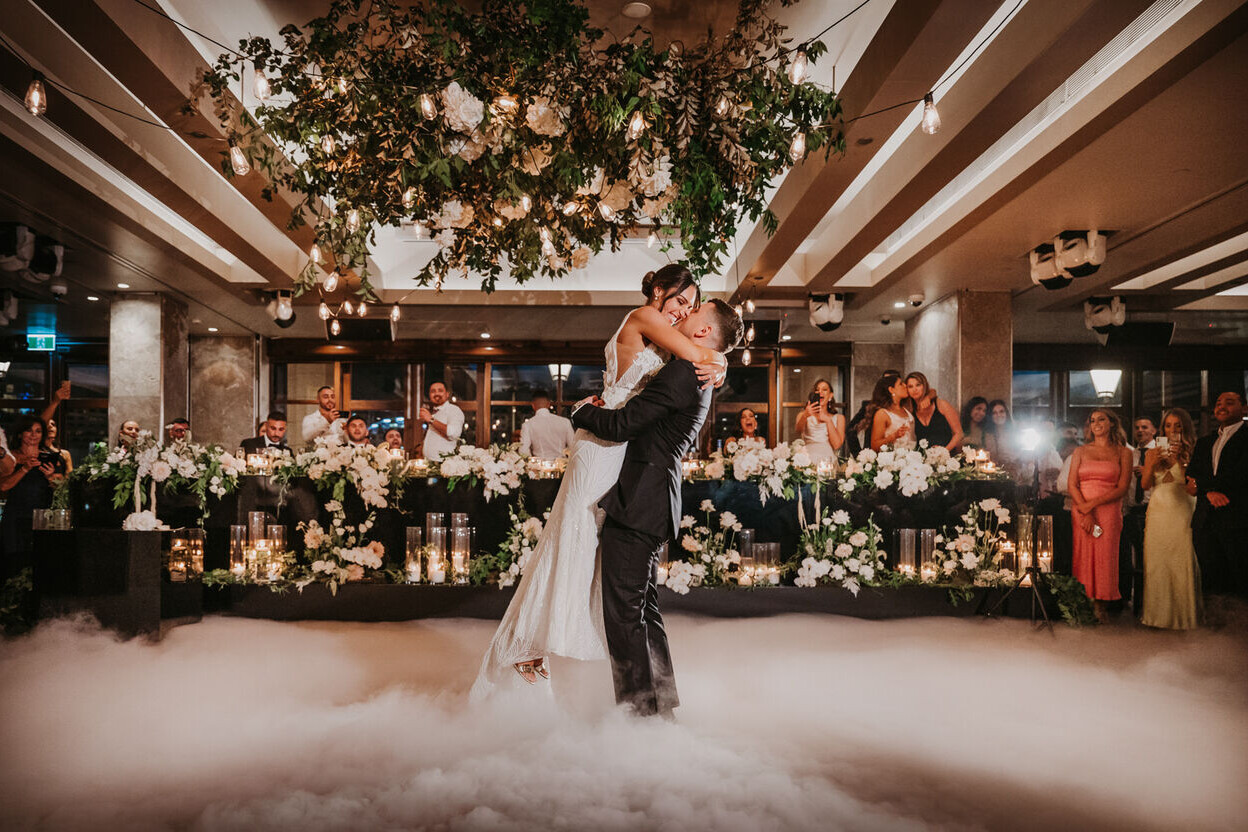
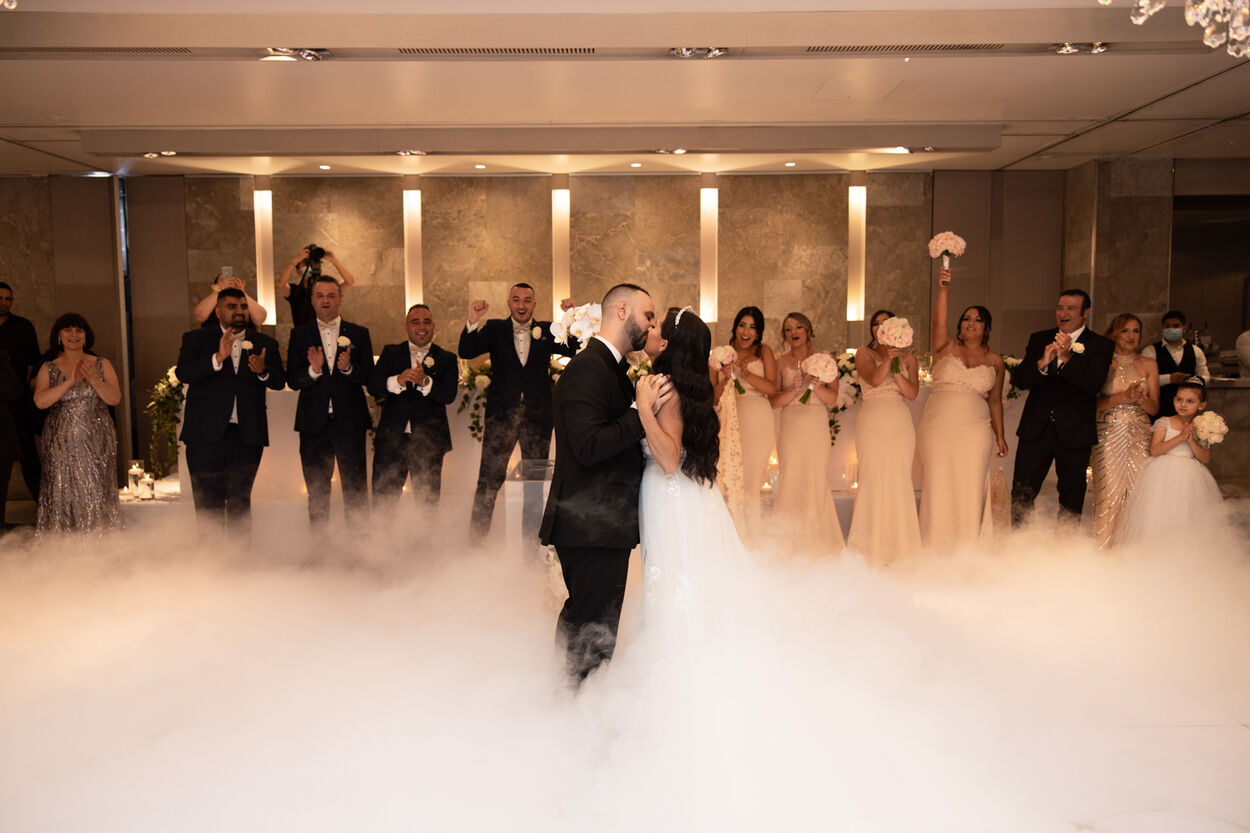
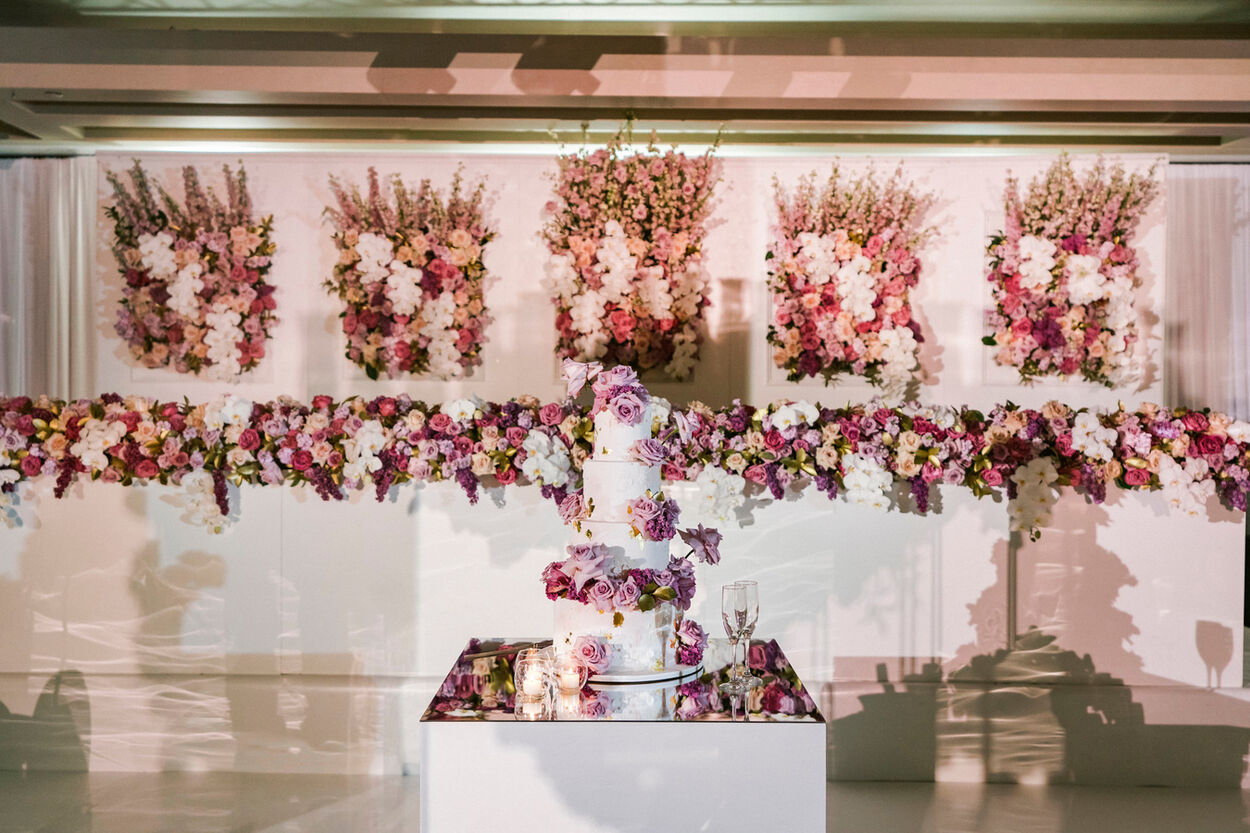
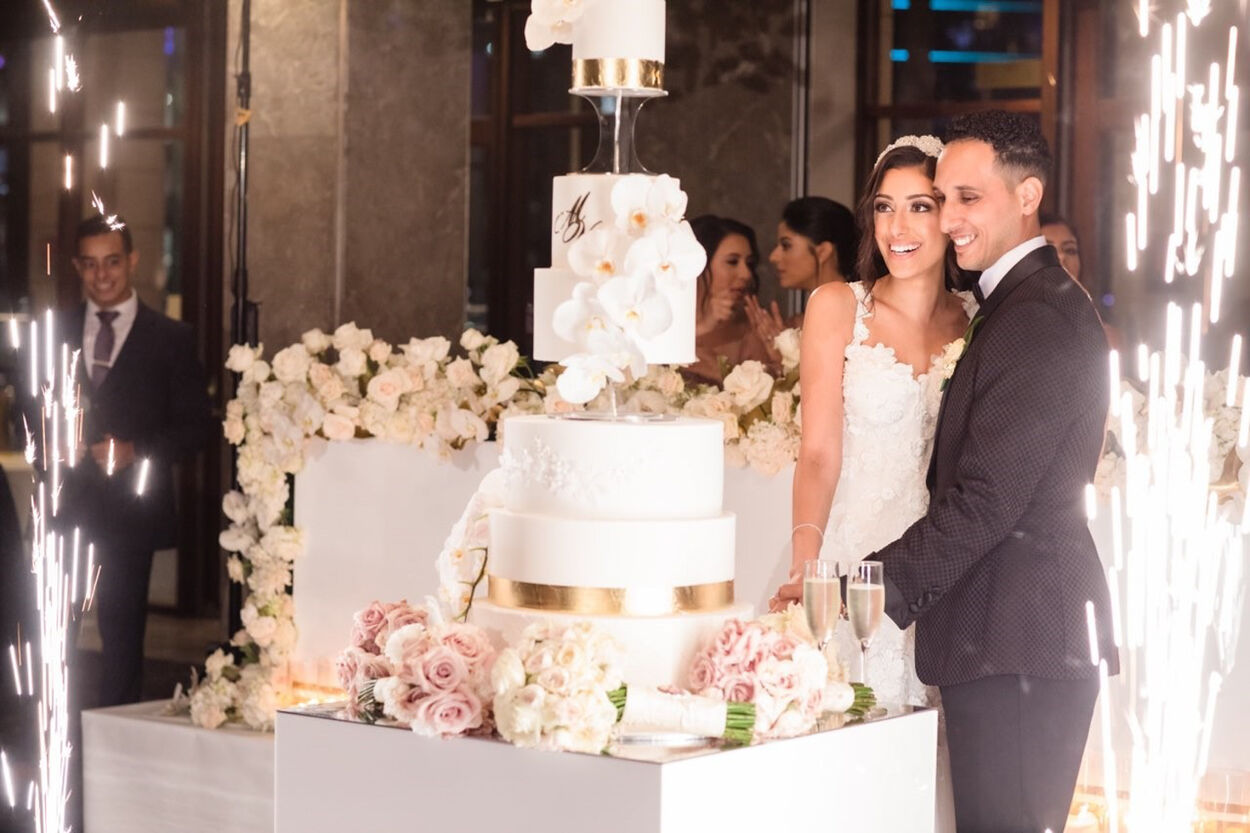
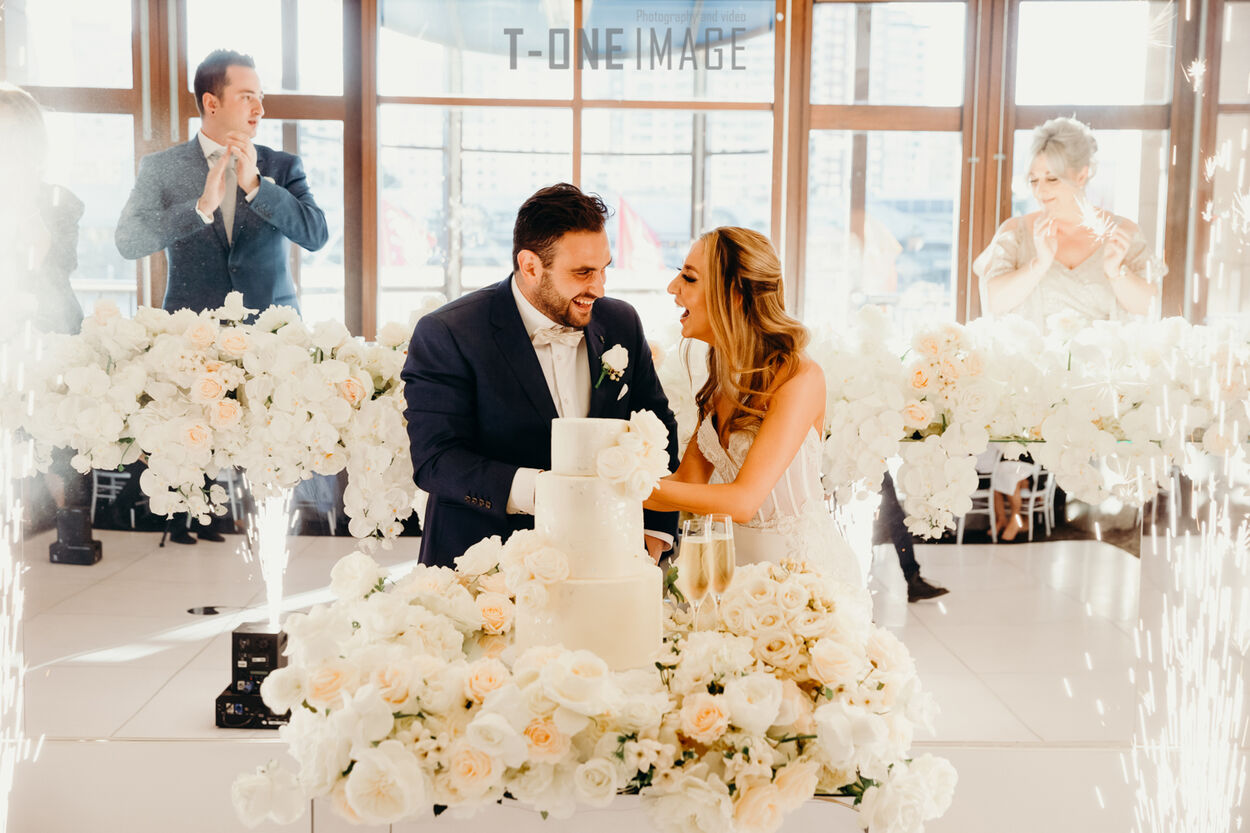
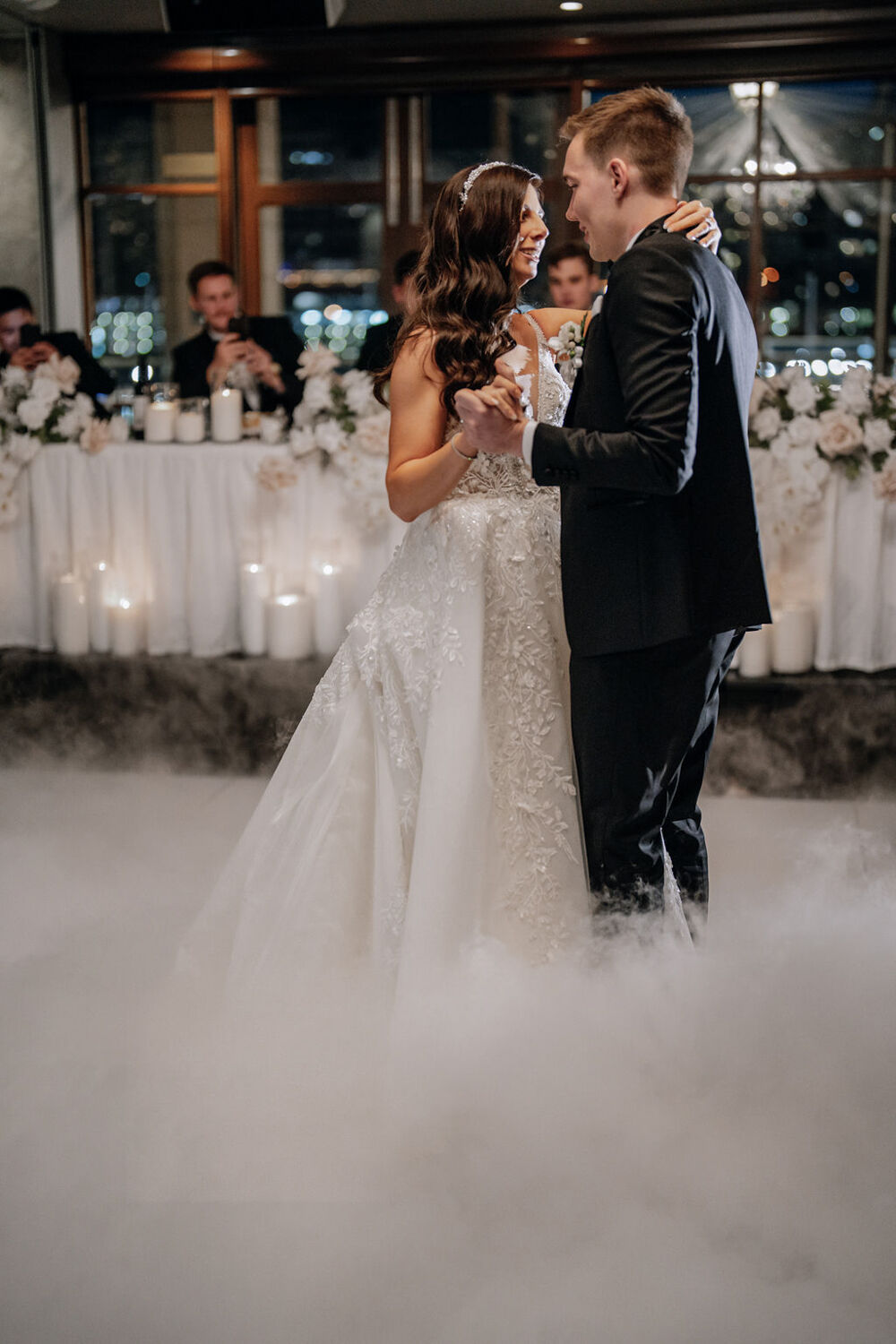
After the main course, the couple cuts the cake, marking the shift from the formal part of the evening to the celebration. The first dance, or bridal waltz, usually follows. Parent dances often come next, with the father daughter dance and mother son dance, before the floor opens to everyone.
Dancing And Entertainment
With the formalities done, the live band or DJ takes over and the dance floor fills. This is the heart of the party and often the longest stretch of the night. Lighter traditions such as the bouquet toss, and occasionally the garter toss, tend to happen partway through the dancing.
The Last Dance And Send Off
As the night draws to a close, a last dance signals to guests that the celebration is wrapping up. The couple then makes their grand exit, often with a send off of sparklers, bubbles or confetti as friends and family cheer them on.
A Sample Wedding Reception Timeline
Every reception is different, but a sample wedding reception timeline gives you a useful starting point. The following assumes a five hour reception beginning at 6:00pm, which you can adjust to suit your venue and the flow of your day.
- 6:00pm, Guest arrivals, canapés and drinks
- 6:30pm, Grand entrance and welcome
- 6:45pm, Entrée served
- 7:15pm, Speeches begin, spread between courses
- 7:45pm, Main course served
- 8:30pm, Cake cutting
- 8:45pm, First dance and parent dances
- 9:00pm, Dance floor opens
- 9:45pm, Bouquet toss
- 10:45pm, Last dance
- 11:00pm, Grand exit and send off
Can You Change The Order Of Events
The traditional order is a guide, not a rulebook. It exists because it works, but it is your day, and plenty of couples move things around to suit their celebration. Some bring the speeches forward, some skip the formalities altogether, and some add cultural traditions or moments that matter to them. A good venue coordinator will help you shape a running order that feels right rather than one that simply follows convention.
Planning Your Wedding Reception
Dockside Group hosts seated waterfront wedding receptions across two venues in Darling Harbour, Dockside and L’Aqua. An experienced venue coordinator works with you to build the running order and keeps it on track on the night, so the day flows the way you planned it.
Explore wedding packages and pricing at Dockside Group to start planning your Sydney wedding reception.
Frequently Asked Questions
Have a question that’s not covered here? Our team is here to help. Get in touch to discuss your corporate event, request a proposal or find out more about hosting your next event at Dockside.
A typical wedding reception runs in this order: guest arrivals and canapés, the grand entrance, dinner with speeches spread between courses, cake cutting, the first dance and parent dances, open dancing with the bouquet toss partway through, and finally a last dance and send off. The exact sequence can be adjusted, but this framework covers the moments most receptions include.
Most wedding receptions run for around five to six hours, covering dinner, speeches and dancing. The exact length depends on your venue, your guest numbers and the style of reception, with seated dinners often running slightly longer than cocktail style celebrations.
Receptions commonly begin in the early evening, often around 6:00pm, following a mid to late afternoon ceremony. Starting in the early evening leaves room for a full night of dinner, speeches and dancing, and works well with a five to six hour running time.
Speeches are usually spread between courses rather than delivered all at once. Opening with a welcome speech and spacing the remaining speeches through dinner keeps guests engaged, gives the kitchen time to serve, and avoids one long stretch of formalities before the dancing begins.
An MC is not essential, but it is highly recommended. A master of ceremonies, whether a friend, family member or professional, keeps the running order on track, announces each moment and makes sure nothing is missed. At many venues the venue coordinator works alongside the MC to keep the night flowing.
The order of service usually refers to the ceremony program, setting out the readings, vows and music. The order of events, sometimes called the running order, refers to the reception and the sequence it follows once guests arrive, from dinner and speeches through to the dancing and send off.