
Getting people to show up is one of the most underrated challenges in corporate event planning. Budgets get approved, venues get booked, invites go out and then the RSVPs trickle in slower than expected.
The reality is that attendance has become harder to secure. Competing priorities, back-to-back calendars and the rise of hybrid event formats have all raised the bar for what gets a person out of the office and into a room. When in-person attendance is optional, the event itself has to make a compelling case for showing up.
Here is what actually moves the needle.
Know Exactly Who You Are Inviting And Why
Attendance problems often start before a single invite is sent. If the guest list is too broad or poorly defined, the event loses its sense of purpose and people can feel that.
Be clear on who the event is actually for. Internal teams, senior leadership and external clients all have different motivations for attending, and an event designed without a clear audience in mind usually falls flat for everyone. A focused, well-targeted invitation list will almost always outperform a wide one.
If you are trying to get senior leaders or decision makers in the room, that requires a different approach to communication, format and positioning than an all-staff event. Knowing the difference early shapes every decision that follows.
Give People A Genuine Reason To Be There
Obligation gets people to register. Experience gets them through the door.
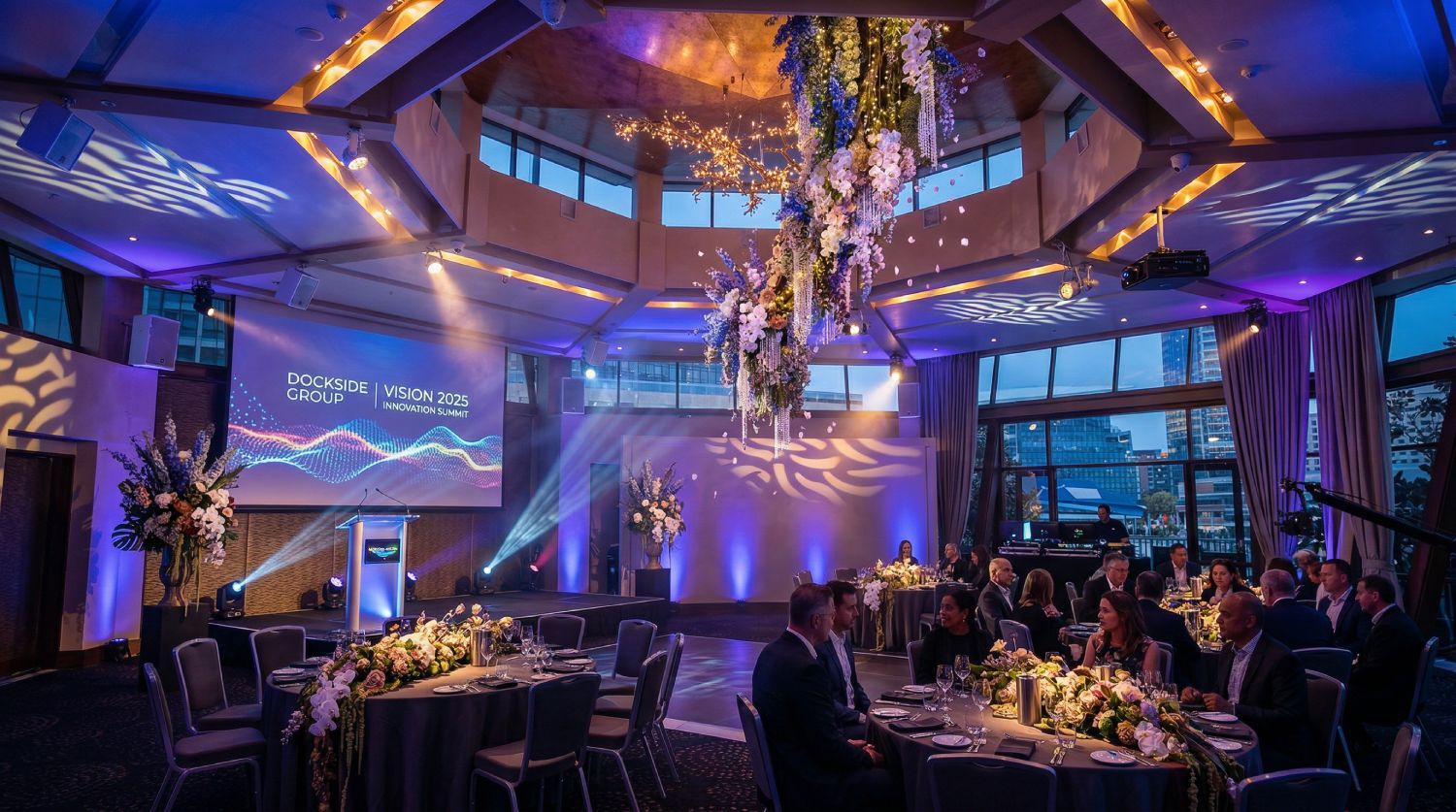
The most common reason people decline or simply do not show is that the event does not feel worth their time. That is a content and format problem as much as a logistics one. When the delegate experience is genuinely considered, from the content to the format to the environment, attendance follows.
The Event Agenda
The agenda is one of the most underused tools for driving event engagement. When the program is compelling and clearly communicated in advance, it becomes part of the reason to attend rather than just a schedule people receive on the day.
Be specific about what is on offer. What will attendees learn or take away? How long will it run? What does the format look like? A well-structured agenda signals that the event has been designed with the attendee in mind. Vague event descriptions do not build anticipation and they do not drive registrations.
Guest Speakers
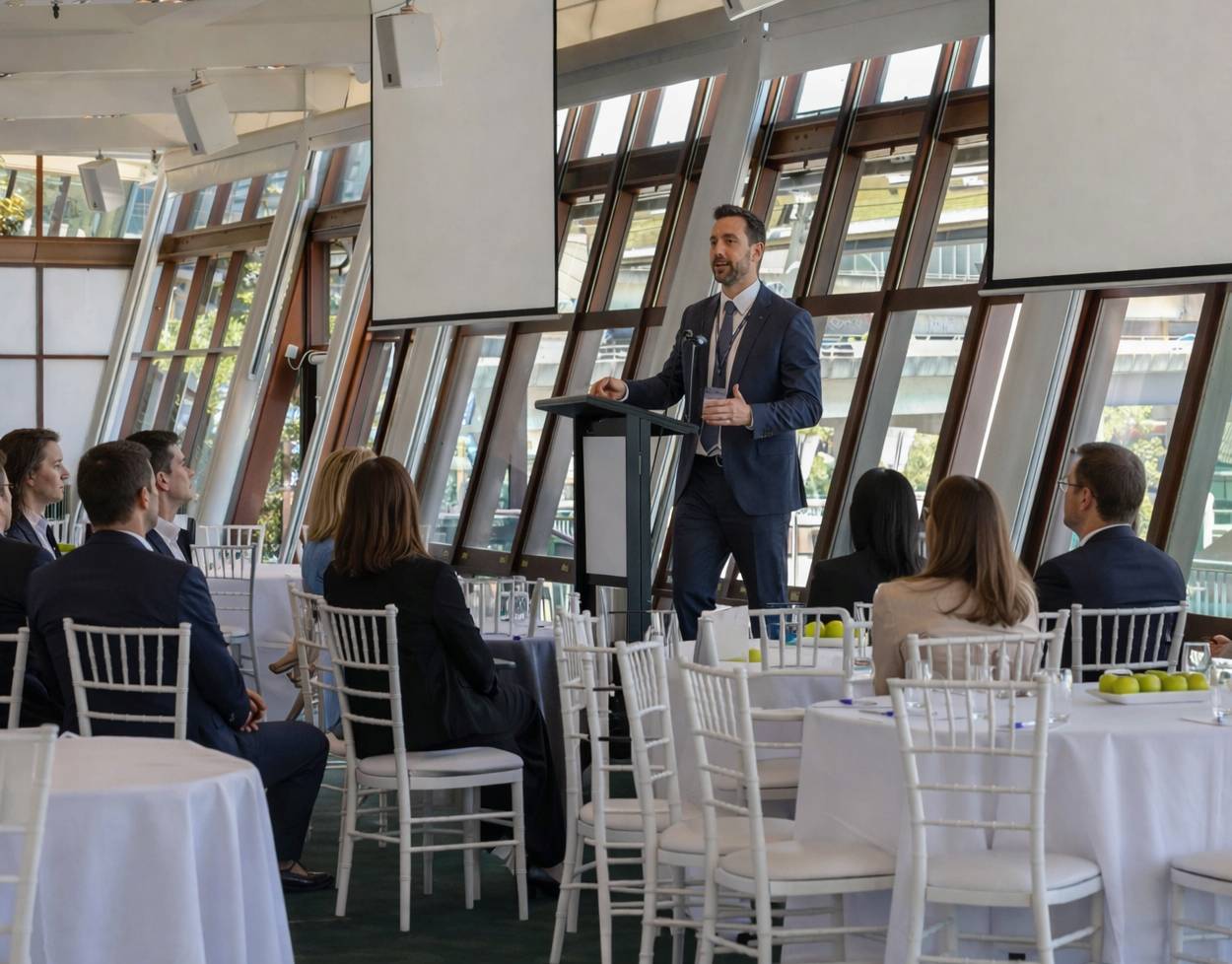
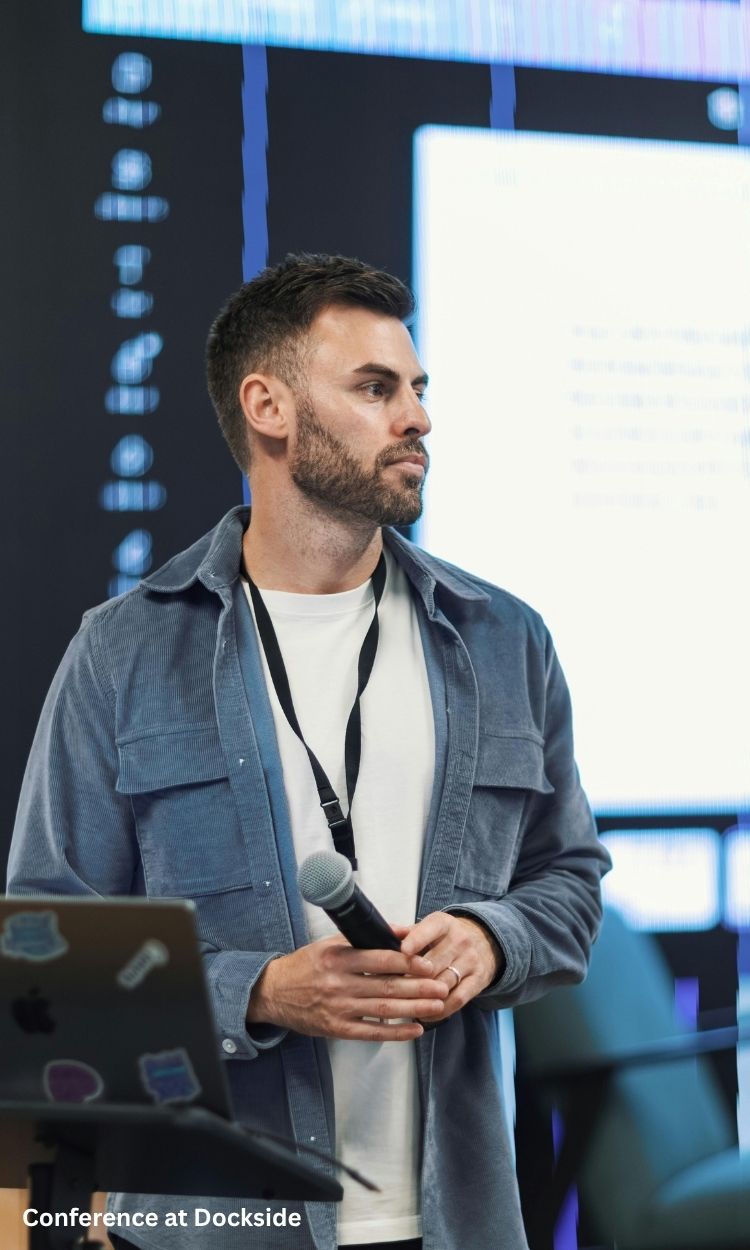
A strong speaker line-up can be one of the most powerful drivers of attendance, particularly for external guests who are weighing up whether the event is worth their time.
Relevance matters far more than profile. A speaker with genuine expertise in something your audience cares about will do more for attendance than a well-known name that feels disconnected from the topic. Brief them properly, give them a clear focus that ties back to the audience and lead with them in your promotion material from the moment they are confirmed.
Networking Opportunities
For many attendees, the conversations that happen around the event are just as valuable as the content itself. The problem is that most events either ignore this or handle it poorly with an awkward thirty minute slot at the end where nobody quite knows what to do.
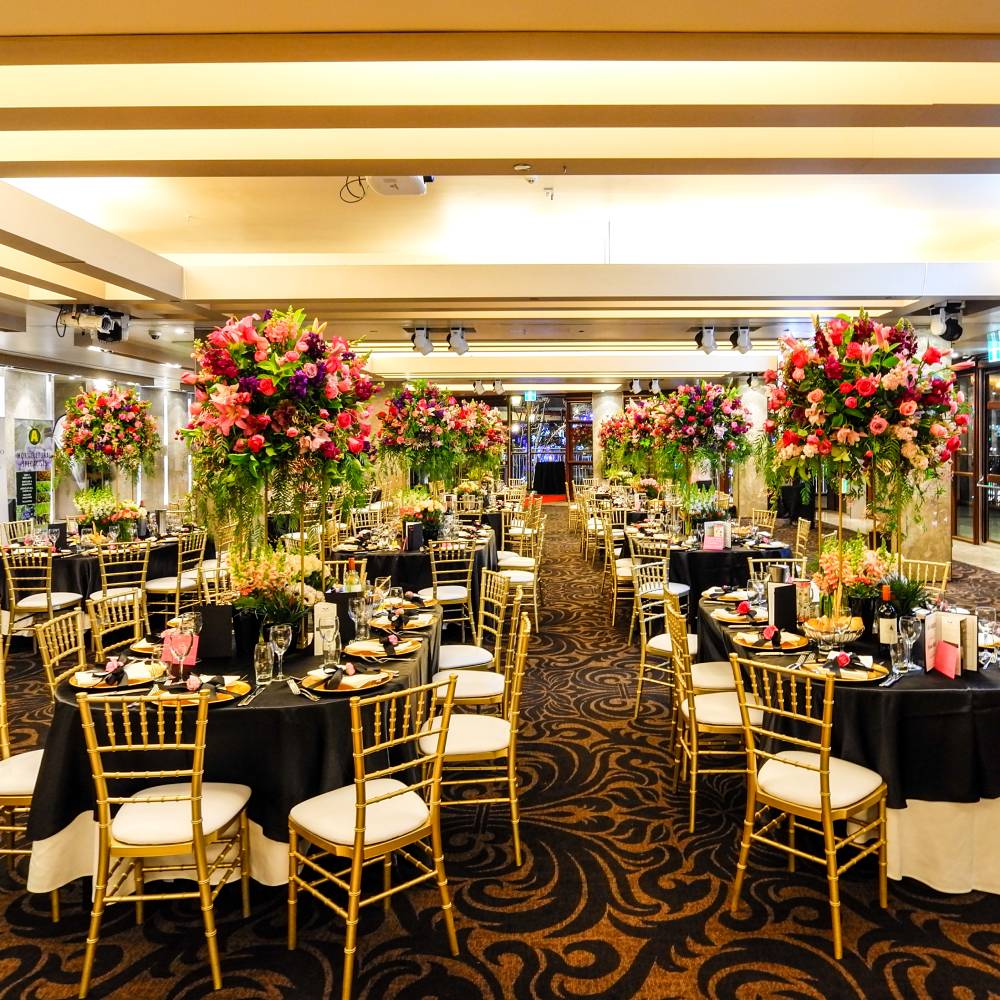
Think about how the format naturally encourages interaction. A more flexible structure with movement built in, whether that is a cocktail style component, a shared meal or breakout conversations, creates the conditions for networking to happen organically. When people know the room will be filled with relevant peers or potential collaborators, that alone can be enough to secure their attendance. For businesses evaluating event ROI, a well-structured networking component is often where the real value is generated.


Get The Timing And Promotion Right
Even a well-designed event loses attendance when the communication is poorly timed or too sparse.
For larger gatherings, six to eight weeks lead time is a reasonable minimum. For smaller internal events, three to four weeks gives people enough runway to plan around existing commitments. The mistake most organisers make is treating the save the date as the promotion strategy rather than the starting point.
Build a communication sequence that creates anticipation early, adds detail as the event approaches and reminds people in the final week. An early bird RSVP incentive, even a simple one, can lift registration numbers and give you a clearer picture of expected attendance earlier in the process. Each touchpoint should give people something new rather than repeating the same information in a different format.
Make The Registration Process Frictionless
A motivated attendee can still drop off if the registration experience gets in the way. If someone has to navigate more than a step or two to confirm their attendance, you will lose people who were otherwise interested.
One clear call to action, a simple form and an immediate confirmation is all it needs to be. Collect dietary or accessibility requirements at the same time rather than following up separately. Every additional step between interest and registration is an opportunity for someone to abandon the process.
The Venue Does More Work Than You Think
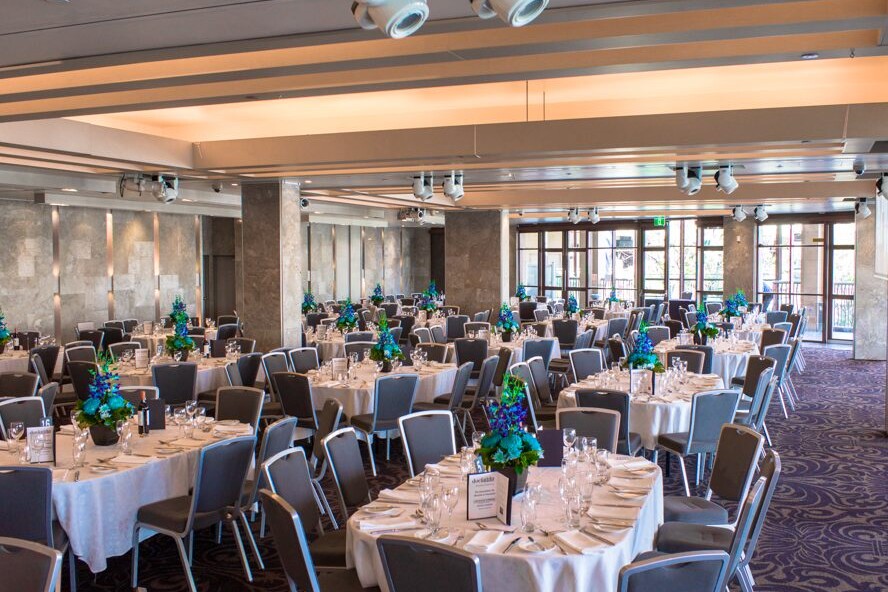
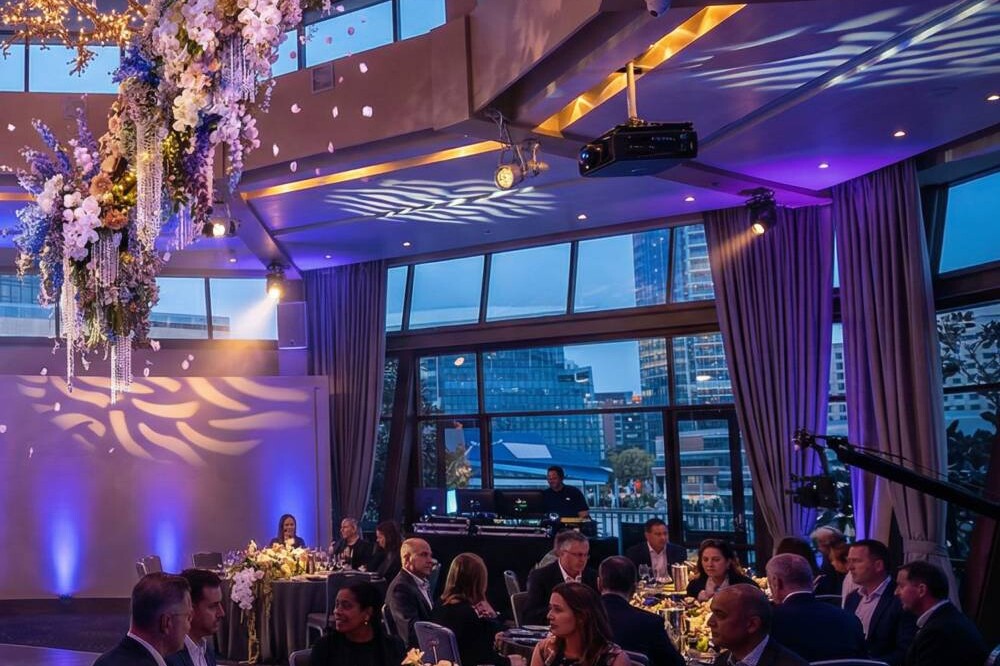
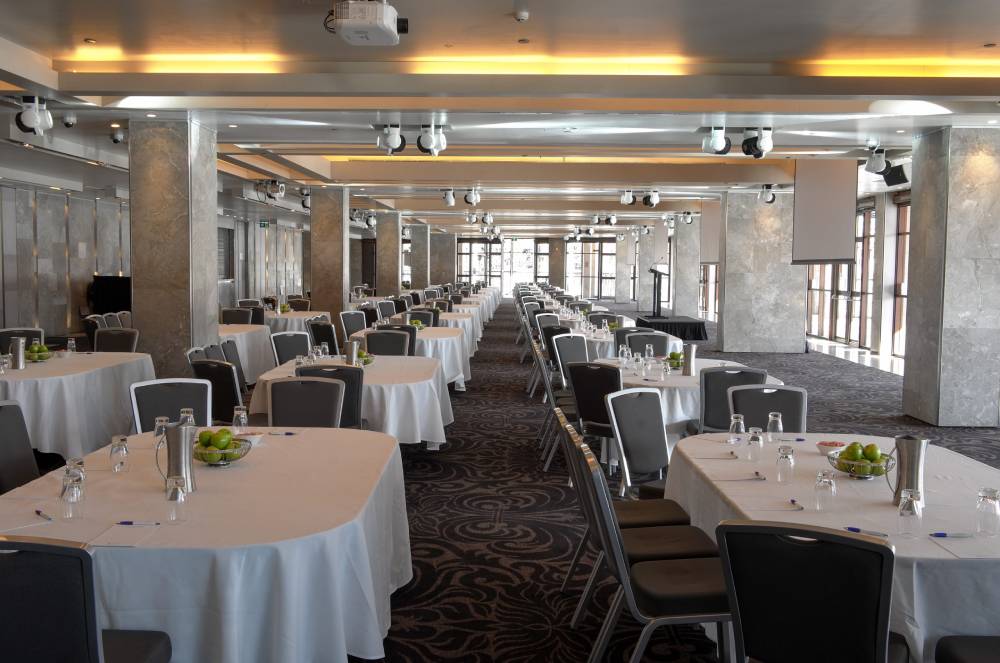
The physical environment has a direct impact on both the decision to attend and the quality of the experience on the day. A venue that feels generic or inconvenient gives people less reason to show up. A venue that feels considered, accessible and genuinely enjoyable shifts the equation.
Location And Accessibility
For external attendees, getting to the venue is a practical calculation that gets made against a busy schedule. A central location that is easy to reach by public transport reduces one of the most common reasons people talk themselves out of attending. The easier you make it to get there, the fewer excuses there are not to.
The Arrival Experience
The moment someone walks through the door, the environment either validates or undermines the effort that went into getting them there. A venue with a professional event team on the ground, quality catering and a space that flows well sets the tone for everything that follows. The delegate experience begins at arrival, not when the program starts.
For events that require exclusive hire, this is even more important. Having the space entirely to your organisation signals to attendees that the event has been properly considered, and that their time is valued.
How The Environment Affects Future Attendance
Attendance at your next event is partly built at your current one. When people leave feeling like the experience was genuinely worth their time, they say yes to the next invitation without needing to be convinced. End-to-end event coordination, from the first communication through to the follow up, is what separates events people remember from ones they quietly deprioritise next time around.
A memorable event in a well-chosen venue is one of the most effective long term strategies for building a culture of attendance across your organisation.
Planning A Corporate Event In Sydney
If you are planning a corporate event in Sydney, the venue and format need to work together to create an experience people actually want to be part of.
Dockside Group offers a range of corporate event spaces in Darling Harbour, from day conferences and cocktail events to corporate banquets. Centrally located and designed to support events of varying formats and sizes, it is a venue worth considering when attendance and experience both matter.
Explore the full range of corporate event options at Dockside Group.