
End of year Christmas parties are usually seen as an internal celebration. A chance for teams to unwind, reflect and close out the year together. But for many businesses, there is a bigger question. Should clients be part of it?
Done right, inviting clients can strengthen relationships and create genuine connection. Done poorly, it can feel awkward, forced or misaligned with the purpose of the event.
Why businesses consider inviting clients
For client facing businesses, Christmas is a natural touchpoint. It is one of the few times in the year where communication is expected, and appreciation can be shown without it feeling transactional.
Inviting clients to a Christmas event can:
- strengthen long term relationships in a more relaxed setting
- create opportunities for informal conversations
- show appreciation beyond emails or gifts
- position your business as professional but approachable
For some industries, this is already the norm. For others, it needs to be considered more carefully.
When it makes sense and when it doesn’t
Not every business should be mixing teams and clients in the same environment. The decision depends on how your business operates.
It tends to work best when:
- your business is relationship driven
- clients are long term or high value
- your team is comfortable engaging externally
- the event is structured, not purely social
It is less suitable when:
- the event is heavily team focused or informal
- your clients expect a more traditional or corporate setting
- there is a clear separation between internal culture and client interaction
The biggest risk is creating an event that does not suit either group.
How to structure a client friendly Christmas event
If you decide to invite clients, the format of the event matters more than anything else. It needs to feel intentional.
A few ways to get the balance right:
- choose a format that allows movement and conversation rather than a rigid sit down
- avoid long speeches or internal presentations
- create natural moments for interaction rather than forced networking
- keep the tone professional without being overly formal
The goal is to create an environment where both teams and clients feel comfortable.
Common mistakes to avoid
Mixing audiences can quickly fall apart without the right planning.
Some of the most common issues include:
- unclear purpose of the event
- too much focus on internal team culture
- lack of structure, leading to awkward interactions
- overcomplicating the format
If the event tries to be everything at once, it usually lands flat.
Choosing the right venue for a mixed event
Venue selection plays a big role in how successful a client inclusive event is. The space needs to support both social interaction and a level of professionalism.
Things to consider include:
- flexible layouts that allow for both group and smaller conversations
- a central, accessible location for clients
- an atmosphere that feels elevated without being restrictive
- catering and service that supports a flowing event
The right environment makes it easier for conversations to happen naturally.
Bringing it all together
Inviting clients to your corporate Christmas party can be a strong move, but only when it is done with intention. The format, audience and setting all need to align.
For some businesses, it will elevate the event and strengthen relationships. For others, a separate client event may be the better approach.
The key is simple. Know the purpose of the event, design it around the people attending and make sure the experience works for both your team and your clients.
Planning a corporate Christmas event that works for both teams and clients
If you are inviting clients to your Christmas event, the venue and format need to do more of the work.
A space that feels too corporate can limit conversation. Too casual, and it can lose the professionalism needed for client relationships. The balance sits somewhere in between.
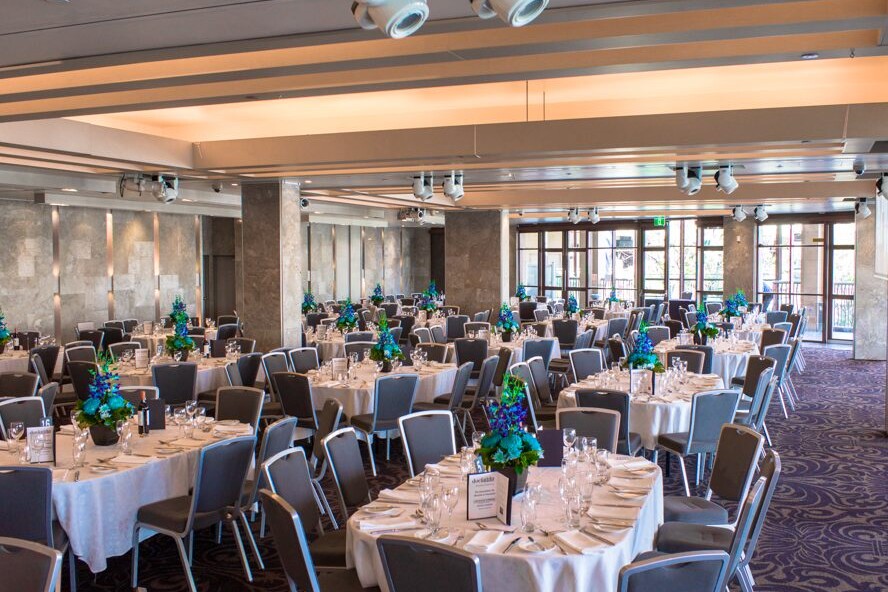
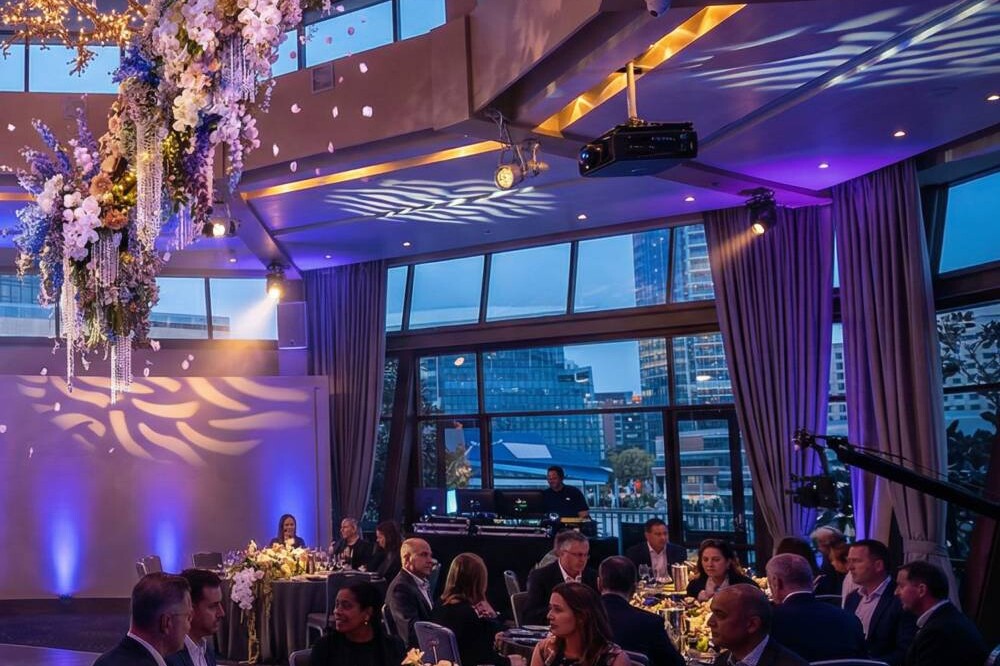
This is where a venue like Dockside works well. With a waterfront location in Darling Harbour, flexible event spaces and layouts that support both structured and free flowing formats, it allows businesses to create an event that suits mixed audiences without forcing it.
Whether it is a cocktail style evening, a semi formal corporate dinner or something in between, the environment should support conversation, not restrict it.
The most successful corporate events are the ones where people can move, connect and enjoy the experience without it feeling overly planned.