
A seated wedding reception is the most traditional and enduring format for a reason. It brings people together around a shared table, creates a natural structure for the evening and gives couples the space to celebrate with intention. Done well, it is an experience guests remember long after the night is over.
Planning one well requires more thought than simply booking a venue and choosing a menu. The format, flow, seating and atmosphere all need to work together. Here is how to approach it.
What Is A Seated Wedding Reception
A seated reception is a formal dining experience where guests are assigned to tables for the duration of the meal. Unlike a cocktail reception where guests move freely, a seated format anchors the evening around a shared dining experience with a clear structure from start to finish.
The evening typically follows a wedding night timeline that moves through arrival drinks, a formal dinner service, speeches and formalities, and dancing to close out the night. Each element has a natural place in the program and the format gives couples a high degree of control over how the evening unfolds.
How To Structure The Evening
Arrival And Pre Dinner Drinks
The arrival experience sets the tone for everything that follows. Most seated receptions begin with a pre dinner drinks period, typically thirty to forty five minutes, where guests arrive, find their table assignments and begin to settle in before being called through to the dining room.
This is also the window where canapés are served and the wedding party is often completing photography. It is worth communicating clearly to guests how long this period will run so the transition into the dining room feels smooth rather than rushed.
The Dinner Service
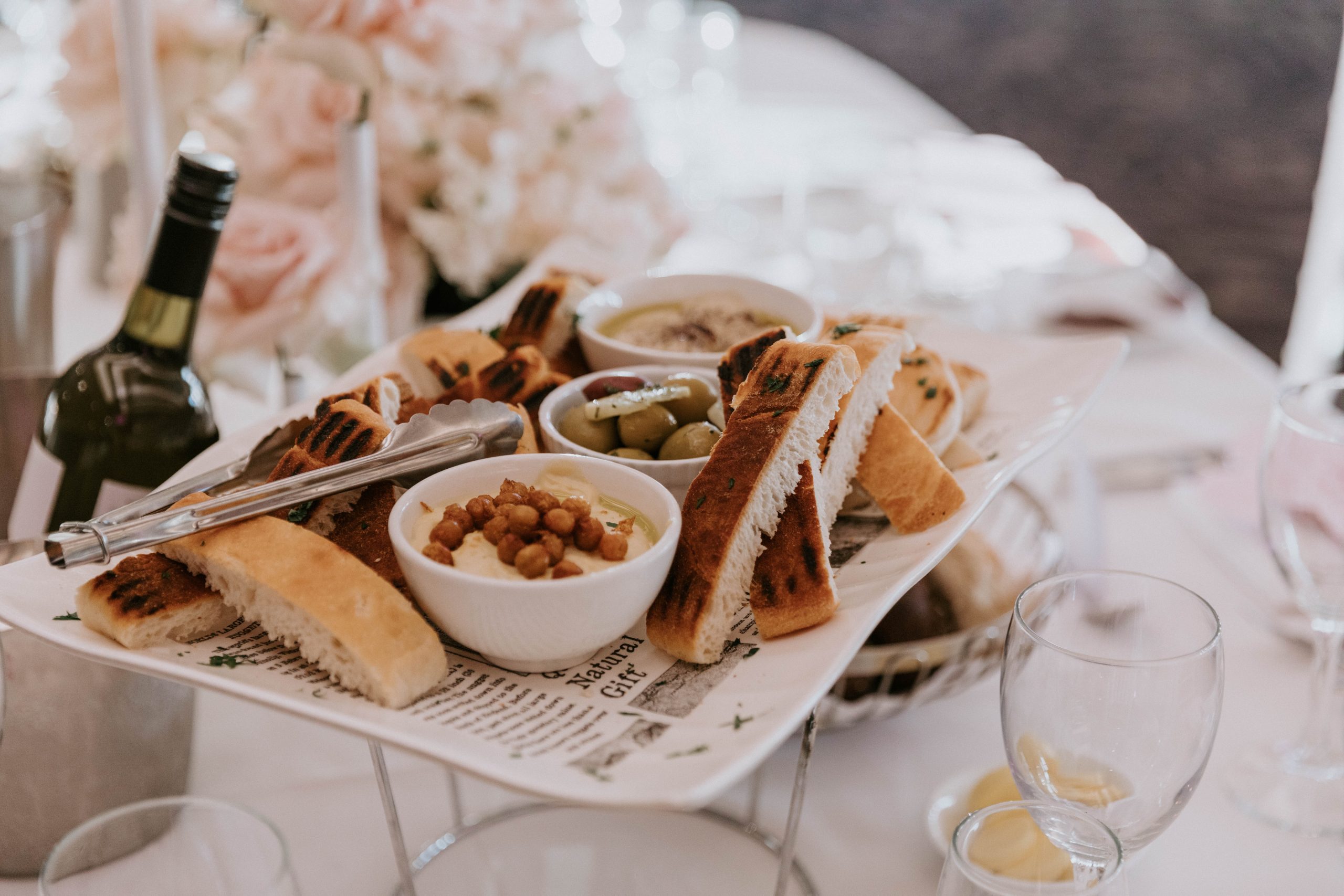
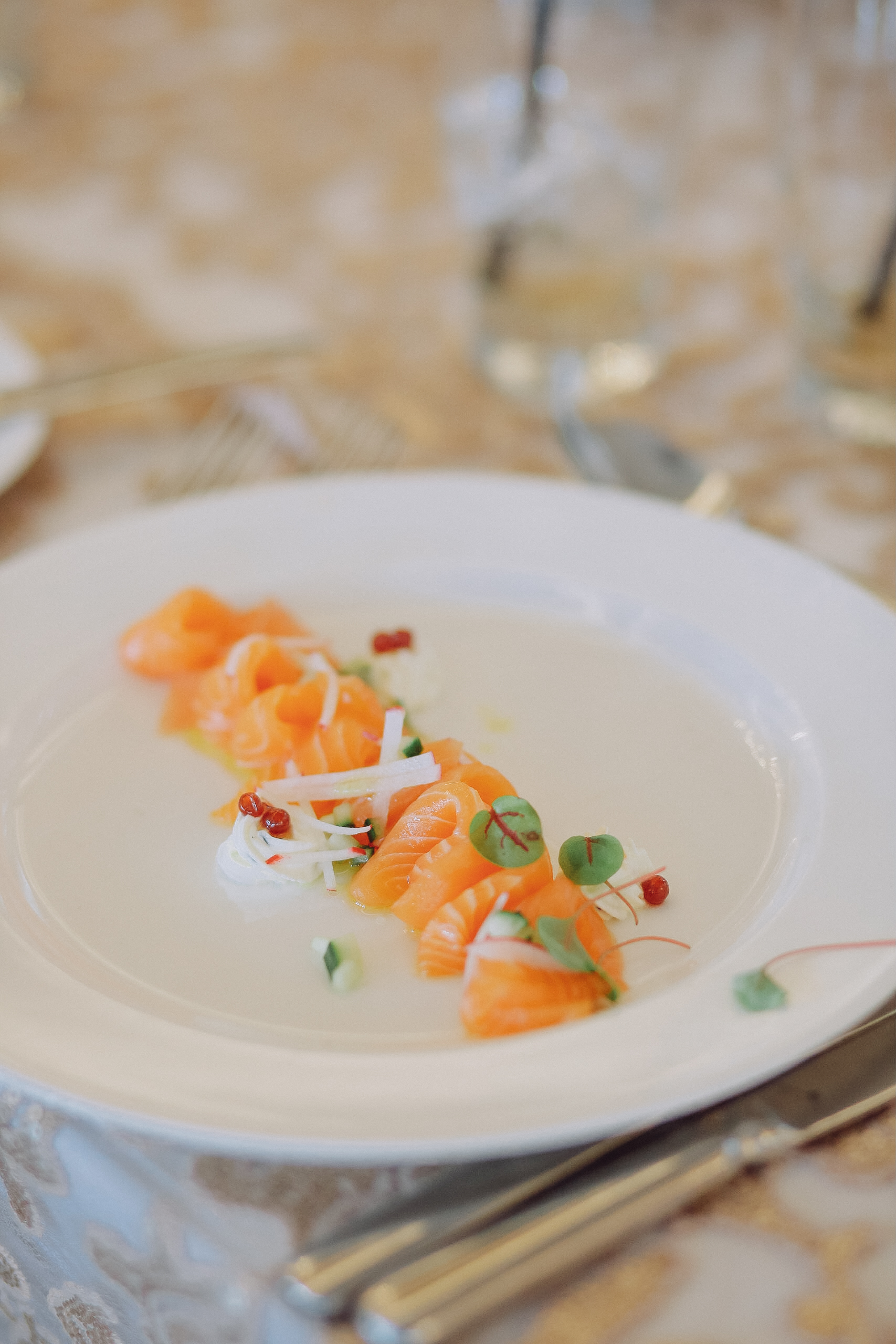
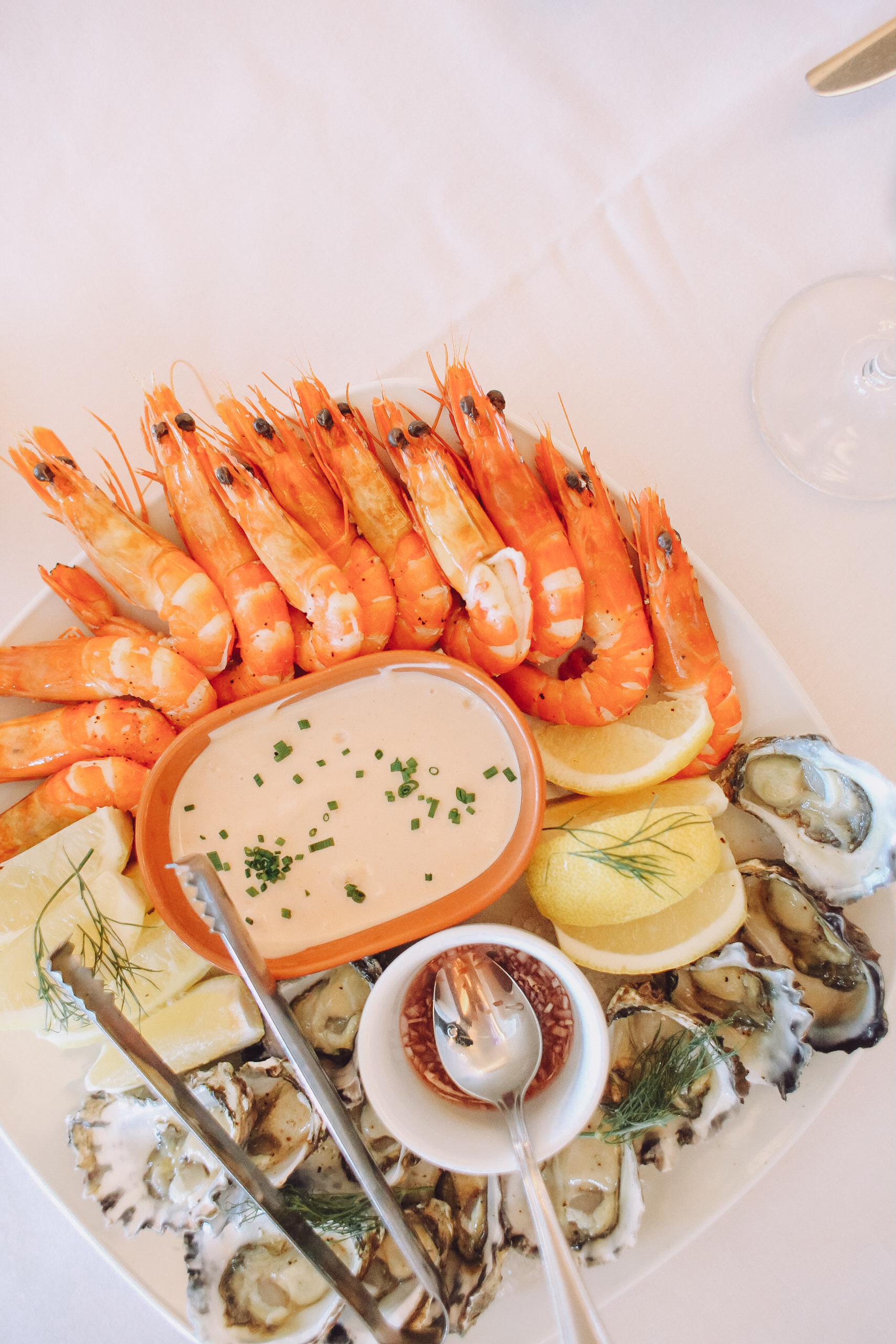
The formal dinner is the centrepiece of a seated reception. Most venues offer an alternate serve menu, where guests choose between two options for each course and dishes alternate around the table, or a shared dining format where dishes are placed in the centre for guests to help themselves.
Alternate serve is the more traditional of the two and works well for larger guest numbers where logistics matter. Shared dining creates a more relaxed, convivial atmosphere and suits couples who want the meal to feel less formal. Both formats typically run to three courses, with the option to add a cheese course or dessert service.
The dinner service is also where the beverage package comes into its own. Wine service tied to each course, attentive staff and well timed service all contribute to a dining experience that feels considered rather than functional.
Speeches And Formalities
A seated format gives speeches a natural home. With guests already seated and the room at attention, the transition from dining to speeches feels organic rather than forced.
Most couples plan speeches across the evening rather than clustering them together. A welcome from the parents or MC before entrée, the main speeches from the bridal party after the main course and a final toast before dessert is a structure that keeps the program moving without losing momentum.
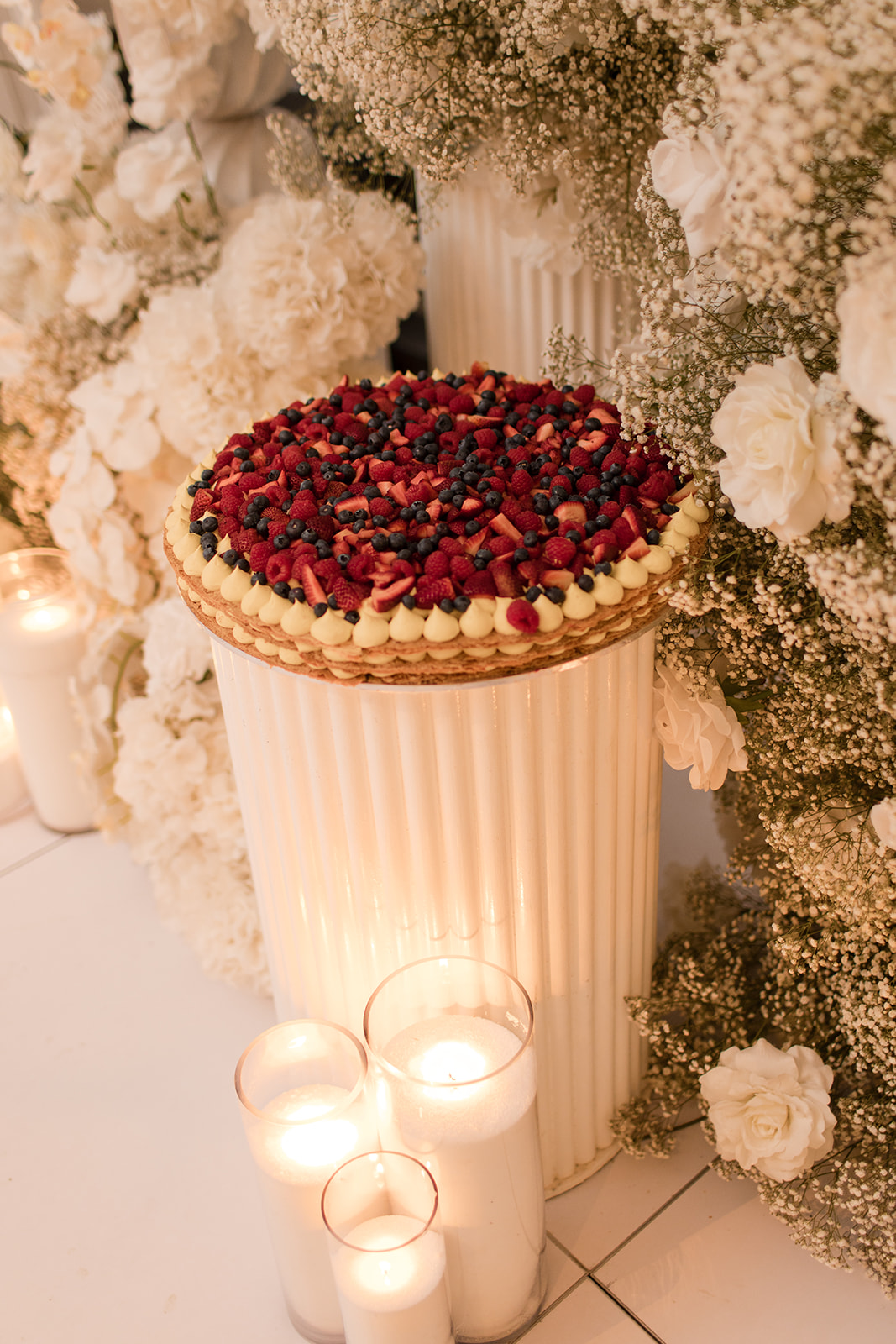
The cake cutting typically sits between the main course and dessert, giving the evening a clear celebratory moment before the transition to dancing.
Dancing And The Close Of Night
The move from dinner to dancing is one of the most important transitions in the evening. A well timed DJ or live band set, a clear invitation to the dance floor and an energetic first song can shift the atmosphere of the room entirely.
Most seated receptions allocate two to three hours for dancing after the formal dinner, giving guests who want to stay on the dance floor the opportunity to do so while others move to more relaxed conversation.
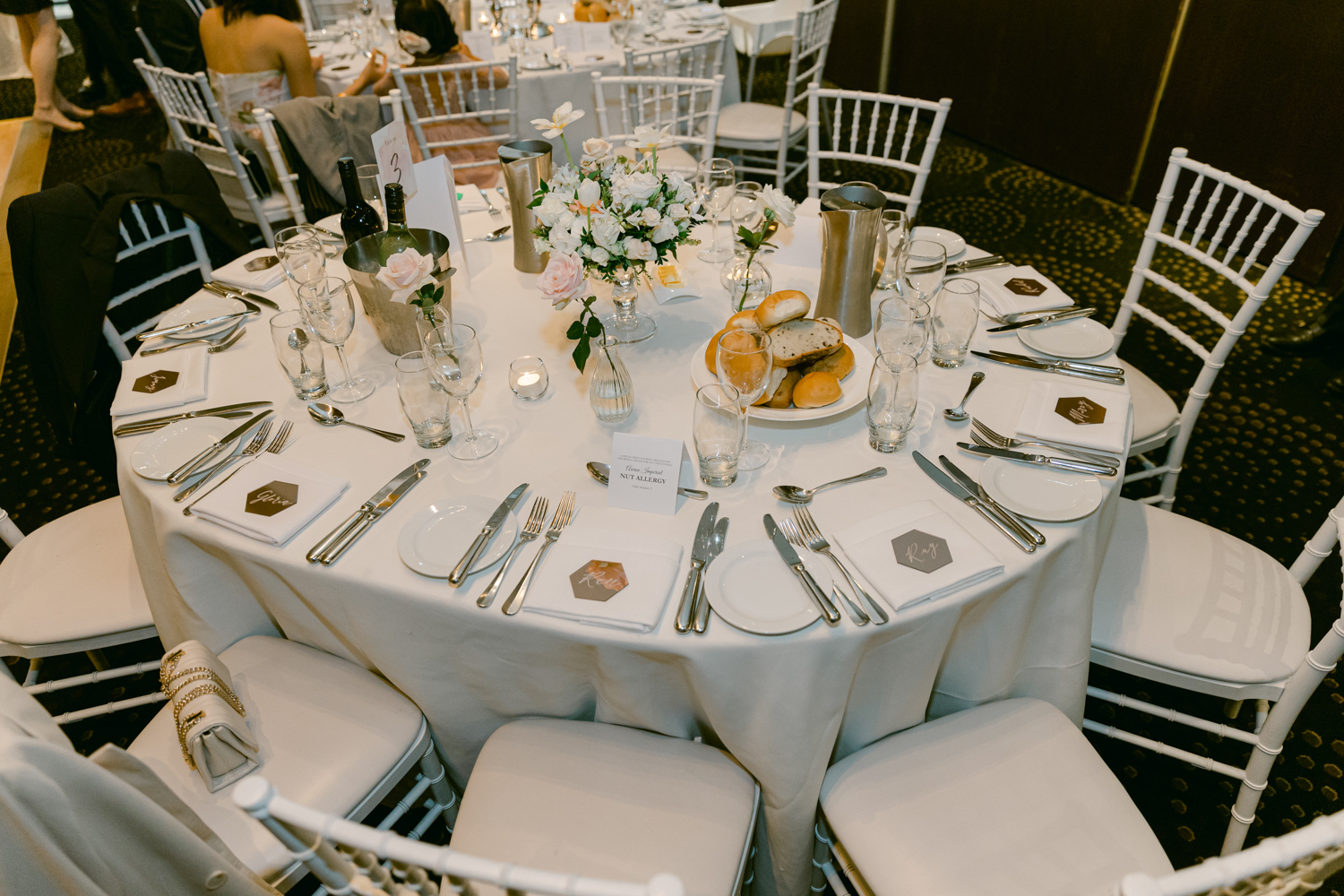
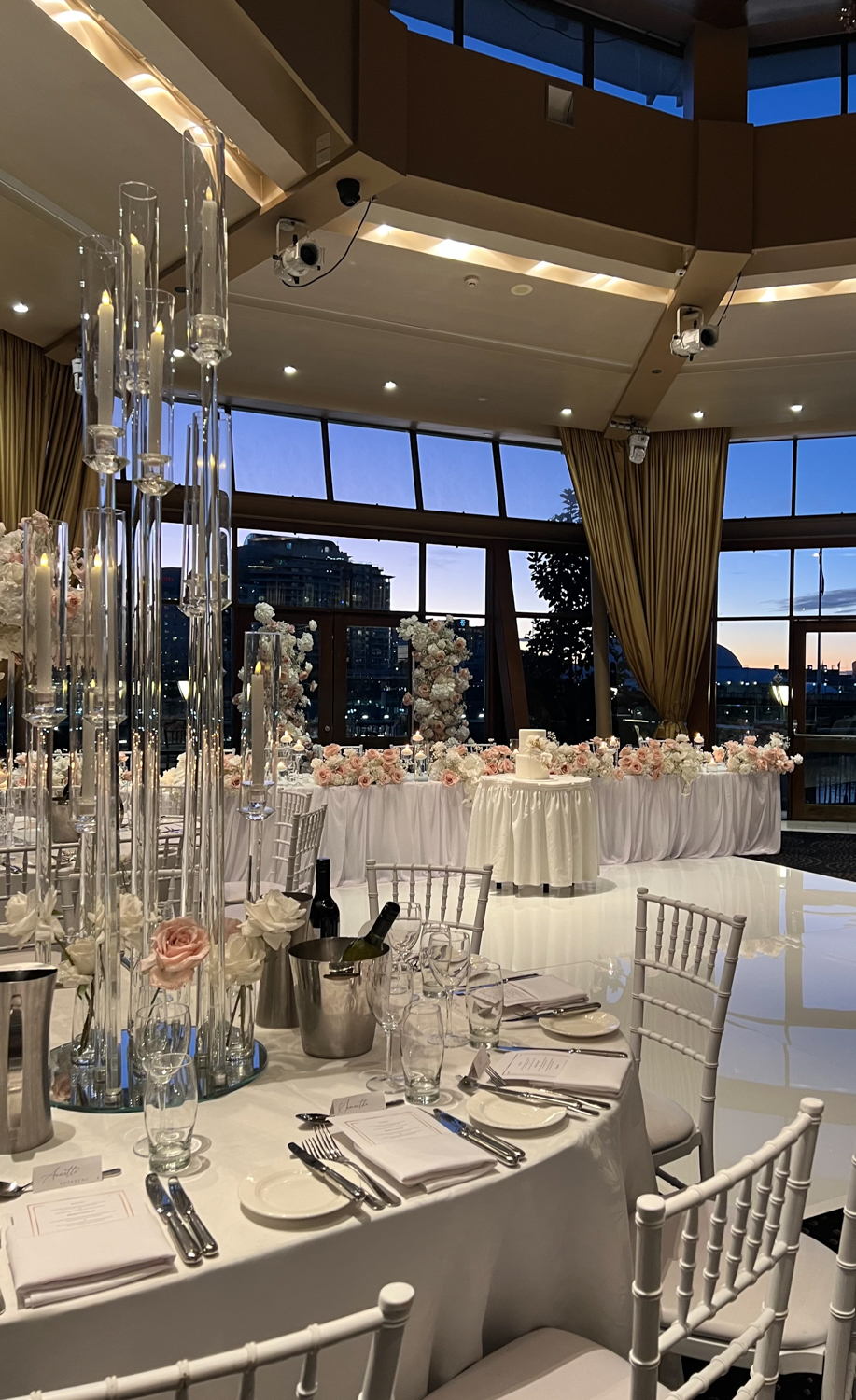
Seating Arrangements And Floor Plan
Table Configurations
The floor plan of a seated reception is more than a logistical exercise. It shapes how the room feels, how guests interact and how well the space works for the evening as a whole.
Round tables are the most common configuration for seated receptions. They encourage conversation across the table and work well in most venue spaces. Long tables have become increasingly popular for couples who want a more intimate, communal feel, particularly for smaller guest numbers.
The dance floor positioning matters more than most couples anticipate. A dance floor that is too small, poorly positioned or disconnected from the dining area will struggle to come alive later in the evening. Ask your venue specifically how the floor plan works for both dining and dancing before committing to a layout.
Seating Your Guests Thoughtfully
Seating arrangements are one of the most time consuming parts of reception planning and one of the most worthwhile. Thoughtful seating puts the right people next to each other, manages family dynamics and ensures every guest feels considered rather than placed.
A few principles worth following:
- Seat guests with people they know or are likely to connect with
- Keep immediate family close to the bridal table without making it feel hierarchical
- Consider mobility and accessibility when placing older guests
- Give single guests or those who may not know many people a seat next to someone warm and social
Food And Beverage
Choosing Your Menu
The menu is one of the most personal elements of a seated reception and one of the areas where couples have the most opportunity to create something memorable. Work closely with your venue’s catering team to choose dishes that reflect your taste, suit the season and work practically for large scale service.
Pay close attention to dietary requirements. A venue experienced in large scale wedding catering will have clear processes for managing vegetarian, vegan, gluten free and allergy requirements without making affected guests feel like an afterthought.
The Beverage Package
The beverage package underpins the entire dining experience. A well chosen package with a good range of wines, beer and non-alcoholic options, attentively served throughout the evening, elevates the meal significantly.
When comparing beverage packages between venues, look beyond the price. Consider the quality and variety of what is included, how long the package runs for and whether there is flexibility to upgrade specific elements such as sparkling wine on arrival or a premium wine tier for the dinner service.
The Details That Make The Difference
Table Settings And Styling
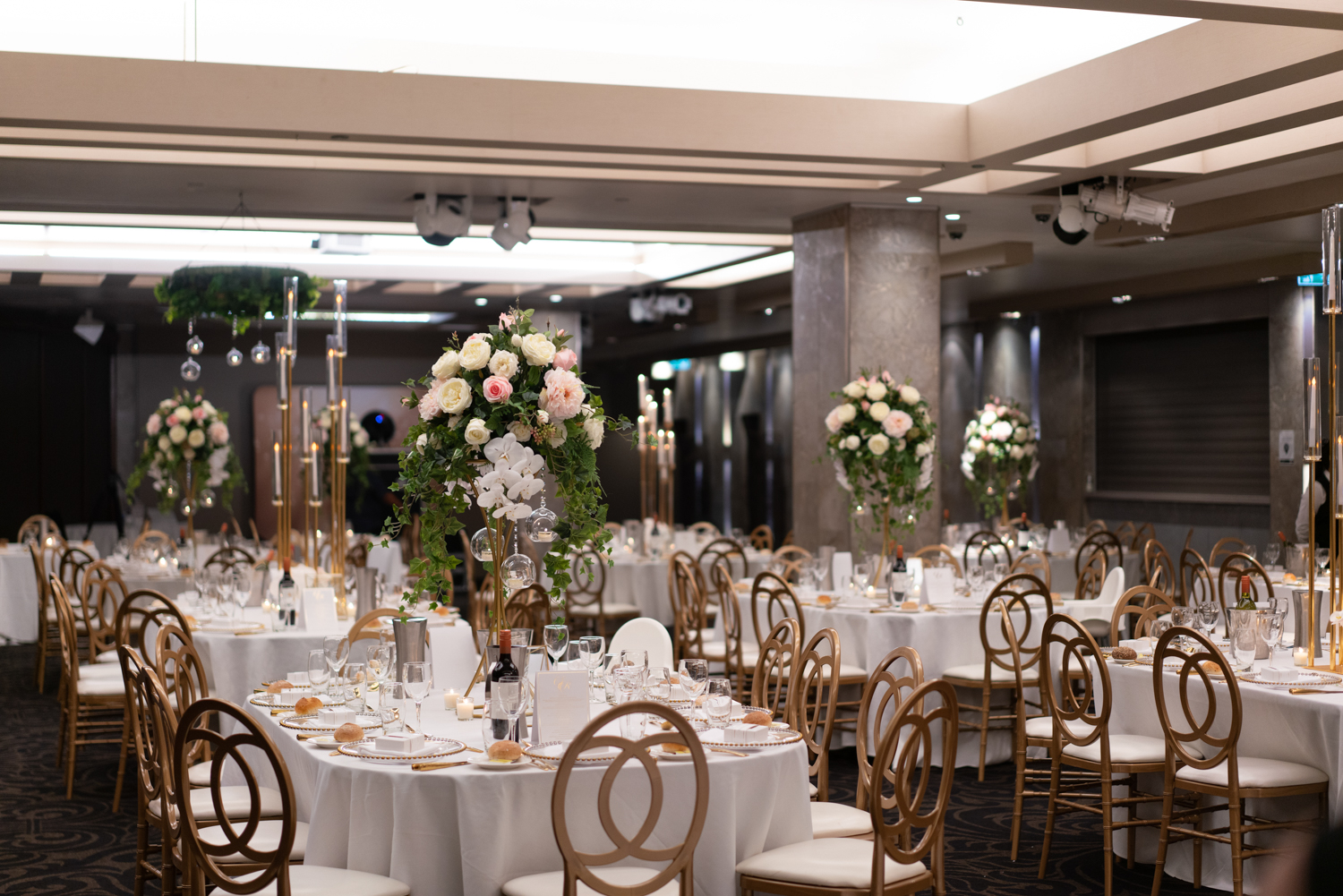
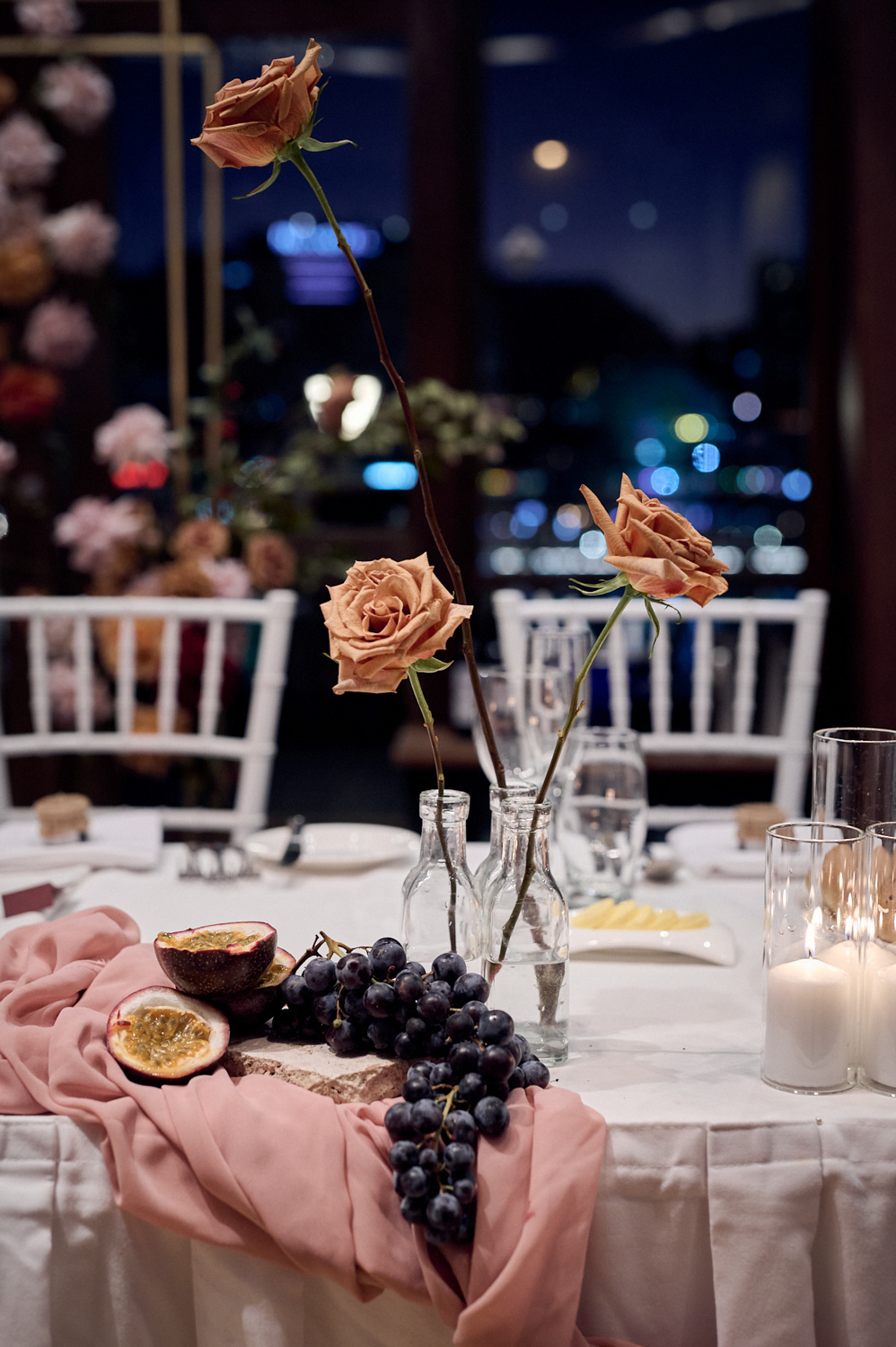
The table setting is the first thing guests see when they walk into the dining room and it shapes their initial impression of the evening. Linen, glassware, centrepieces and place settings all contribute to the overall wedding atmosphere and the level of formality the couple wants to convey.
Work with your venue and stylist to understand what is included as standard and what needs to be sourced additionally. Many venues provide base linen and glassware as part of the package, with couples layering their own floral and styling elements on top.
The Room And Atmosphere
Beyond the table, the overall room styling sets the tone for the night. Lighting is one of the most powerful and underused tools in a reception space. Warm, ambient lighting transforms a room and creates an atmosphere that overhead fluorescents simply cannot replicate.
Consider how the room will feel at different points in the evening. The soft intimacy of dinner service requires different lighting to the energy of the dance floor later in the night. A venue with flexible lighting options gives couples far more control over the atmosphere as the evening progresses.
Choosing The Right Venue For A Seated Reception
The venue is the single most important decision in planning a seated wedding reception. The space needs to work practically for a formal dining format, feel appropriate for the occasion and support the experience the couple wants to create.
When assessing venues for a seated reception, consider:
- Whether the room capacity suits your guest numbers comfortably without feeling empty or overcrowded
- How the floor plan accommodates both dining and dancing
- The quality and flexibility of the catering and beverage offering
- The experience and attentiveness of the events team
- The location and accessibility for guests
- What the venue brings to the atmosphere without additional styling investment
A waterfront venue in Sydney’s CBD, for example, brings a level of occasion to the evening that an interior space simply cannot replicate. The setting does part of the work before a single guest sits down.
Planning Your Seated Wedding Reception In Sydney
If you are planning a seated wedding reception in Sydney, Dockside Group offers formal dining experiences across two waterfront venues in Darling Harbour, Dockside and L’Aqua.
With a range of wedding packages designed around seated dining, an experienced events team and a setting that brings its own atmosphere to the evening, both venues are built for receptions that people remember.
Get in touch with the Dockside team to arrange a venue inspection and start planning your reception.