
Planning a corporate event in Sydney takes more than booking a venue and sending out invitations. The events that land well, that people talk about afterwards and that achieve what they were designed to do, are the ones where the planning behind them was structured, intentional and connected to a clear purpose from the start.
Whether it is a conference, a product launch, a corporate dinner or an end of year celebration, the approach is largely the same. Here is how to do it well.
Start With A Clear Brief
Before any venue is booked or supplier is contacted, the event brief needs to be clear. Every decision that follows, from the format to the budget to the guest experience, flows from this foundation.
Define Your Goals
What is the event actually trying to achieve? Recognition, connection, education, celebration, client relationships, brand positioning? The goal shapes everything. An event designed to reward staff looks and feels completely different to one designed to impress clients or launch a product.
Be specific. Vague goals produce vague events. The clearer the purpose, the easier it is to make decisions that serve it.
Know Your Audience
A corporate event should be planned around the people attending it, not just the people hosting it. Staff, clients, executives, delegates and industry partners all have different expectations and respond to different experiences.
Understanding your audience early means you can tailor the format, the program, the catering and the overall atmosphere to the people who will actually be in the room. An event that feels designed for its audience is one that gets talked about for the right reasons.
Build Your Event Planning Checklist
Once the brief is clear, a practical planning checklist gives the event structure and keeps the team aligned on what needs to happen and when. For corporate events in Sydney, the checklist should cover:
- Event purpose and success measures
- Audience profile and confirmed guest numbers
- Venue requirements, capacity and access
- Budget and internal approval process
- Supplier requirements and lead times
- Catering style and dietary requirements
- Invitations, registration and RSVP management
- Styling, signage and any branding requirements
- Speaker, entertainment or formalities
- Run sheet and key timings
- Staffing and on the day roles
- Contingency planning for weather, AV or last minute changes
The checklist should not sit in isolation. Every item on it connects back to the event goals and the guest experience you are trying to create.
Choosing The Right Venue In Sydney
Venue selection is one of the most consequential decisions in the corporate event planning process. The right venue supports the event’s purpose, suits the audience and does a significant amount of work before a single guest arrives.
What To Look For In A Corporate Event Venue
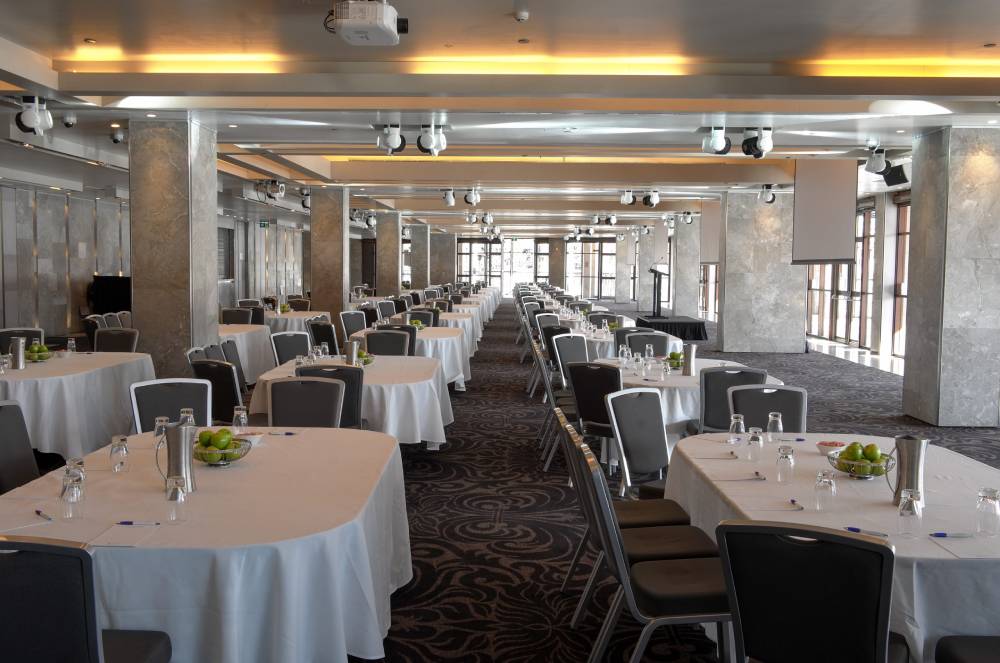
The venue needs to work practically for the format you have in mind. Capacity, floor plan flexibility, audio visual capabilities, catering quality, natural flow through the space and the professionalism of the events team all matter. A venue that ticks the practical boxes but feels wrong for the occasion will undermine the experience regardless of how well everything else is planned.
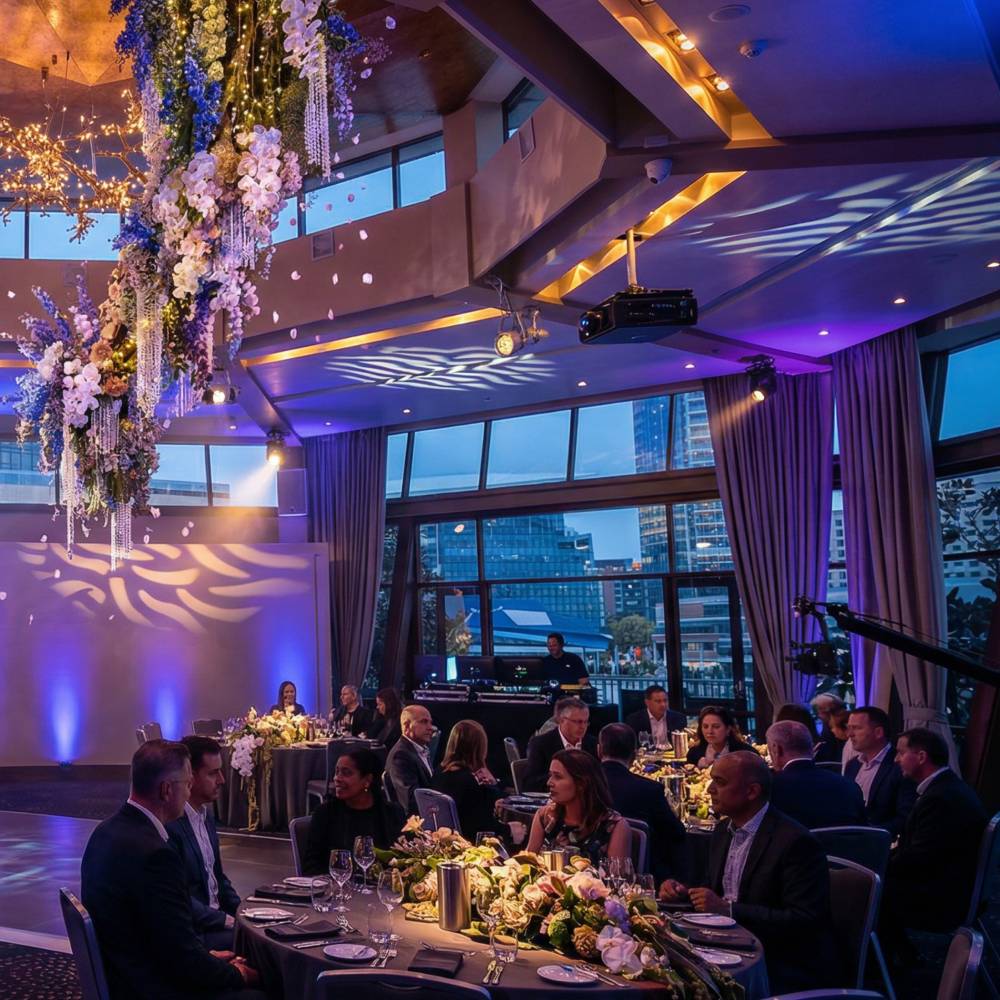
Consider also what the venue brings to the event in terms of atmosphere and prestige. For client facing events or formal occasions, the setting communicates something about the organisation hosting it. A venue that feels considered and impressive does part of the work for you.
Location And Accessibility
For corporate events in Sydney, location is a practical decision that affects every person attending. A centrally located venue, particularly one close to public transport in the CBD or Darling Harbour precinct, reduces friction for guests and makes it easier for people to arrive on time and leave without difficulty.
Consider parking availability, proximity to accommodation for interstate guests and how accessible the venue is for all attendees. The easier the venue is to get to, the fewer logistical conversations you will need to have before the event.
The Venue’s Role In The Guest Experience
The venue is not just a backdrop. It is an active part of the guest experience from the moment people arrive. The arrival experience, the quality of the catering, the attentiveness of the staff and the atmosphere of the space all sit with the venue. Choosing one with an experienced events team means the delivery burden on your internal team is significantly reduced.


Managing Your Budget
Event budget management is one of the areas where corporate events most commonly run into difficulty. Costs that were not anticipated at the outset have a way of appearing as the planning process progresses.
A few principles that help:
- Set the total budget before making any commitments
- Build in a contingency of at least ten percent for unforeseen costs
- Prioritise spend on the elements that have the most impact on the guest experience
- Get detailed quotes from all suppliers early and confirm what is and is not included
- Track spend against budget throughout the planning process, not just at the end
All inclusive venue packages are worth serious consideration for corporate events. When catering, beverages, staffing and coordination are bundled together, the overall cost is often more competitive than sourcing each element separately, and the planning process is considerably simpler.
Suppliers And Coordination
Building Your Supplier Team
For most corporate events, the venue is the anchor of the supplier team. From there, the other suppliers, whether that is AV, styling, photography, entertainment or external catering, need to be selected and briefed early enough to allow proper preparation.
Supplier selection should be driven by fit as much as cost. The right supplier understands the brief, communicates clearly and has experience with events of a similar scale and format. A strong supplier team that works well together makes the event day significantly easier to manage.
The Run Sheet
The run sheet is the operational document that holds the event together on the day. It should be detailed enough that every person involved, venue staff, suppliers and internal team members, knows exactly what is happening, when and who is responsible.
A good run sheet covers arrival and bump in times for all suppliers, guest arrival and registration, the full program with precise timings, catering service points, speaker and entertainment cues, and pack down. Share it with all stakeholders in advance and confirm everyone has read and understood it.
The Guest Experience
Arrival Through To Departure
The guest experience begins before people walk through the door, with the quality of the invitation, the clarity of the event communication and how easy it is to register or confirm attendance. From there, every touchpoint contributes to whether the event feels well considered or cobbled together.
On arrival, signage, registration flow, staff attentiveness and the atmosphere of the space all set the tone. During the event, the program timing, catering quality, room flow and overall energy determine whether guests feel engaged or restless. At the close, a clear and well managed conclusion leaves people with a positive final impression.
The strongest corporate events are the ones where the guest experience feels seamless, even when the team managing it is navigating considerable complexity behind the scenes.
On The Day Delivery
By event day, the planning should be complete. Suppliers should know their roles, the run sheet should be confirmed and the team should be briefed. The focus shifts entirely to delivery.
This means coordinating bump in, managing supplier arrivals, overseeing room setup, running speaker briefings, managing guest registration and keeping the program on time. It also means having contingency plans ready for the things that do not go to plan, because something always does not.
Strong event day delivery comes from thorough preparation and the ability to make calm, practical decisions quickly. The goal is for the event to feel effortless for the people attending it, regardless of what is being managed behind the scenes.
Planning Your Next Corporate Event In Sydney
If you are planning a corporate event in Sydney, Dockside Group offers a range of event spaces in Darling Harbour designed to support corporate events of varying formats and sizes.
From day conferences and cocktail events to corporate banquets and private dining, the venues are centrally located, professionally staffed and built to take the complexity out of corporate event delivery.
Explore the full range of corporate event spaces at Dockside Group to find the right fit for your next event.
Frequently Asked Questions
Have a question that’s not covered here? Our team is here to help. Get in touch to discuss your corporate event, request a proposal or find out more about hosting your next event at Dockside.
A corporate event planning checklist should cover event purpose and success measures, audience profile and guest numbers, venue requirements, budget and approval process, supplier requirements, catering and dietary needs, invitation and registration management, styling and branding, speaker or entertainment details, run sheet and timings, staffing responsibilities and contingency planning. The checklist works best when every item on it connects back to the event goals and the experience you want guests to have.
For larger corporate events, six to twelve months lead time is recommended. This allows enough runway to secure the right venue, confirm suppliers, manage invitations and registrations, and prepare properly for delivery. For smaller internal events, three to four months is a reasonable minimum. The earlier planning begins, the more options are available and the less pressure there is on the team managing the process.
Start with the practical requirements, capacity, floor plan, audio visual capabilities, catering quality and location. From there, consider how well the venue suits the tone and purpose of the event. A venue that feels right for the occasion does part of the work before a single guest arrives. For Sydney events, central location and easy access to public transport are particularly important given the size of the city and the range of locations guests may be travelling from.
A successful corporate event is one where the purpose is clear, the audience feels considered and the experience is well executed from arrival through to departure. The strongest events are the ones where the planning behind them has been structured and intentional from the start, where the venue, suppliers and program all work together to support the event goals, and where the guest experience feels seamless even when the team managing it is navigating considerable complexity behind the scenes.